

Exhaustion that remains after a full night of sleep is not normal aging. It signals a breakdown in how your body produces fuel at the cellular level. When internal cellular powerhouses fail, stimulants and sleep alone cannot restore lost vitality.
Mitochondrial dysfunction and fatigue are linked because your mitochondria are the power plants for every cell in your body. These structures turn oxygen and food into ATP, the primary fuel for your heart, brain, and muscles. When mitochondria lose efficiency, your body cannot produce enough energy to meet its daily needs. This leads to the heavy exhaustion that patients experience even after resting. Research shows that low CoQ10 levels are often found in people with chronic fatigue, as noted in the medical literature. Fixing this root cause requires a clinical plan to repair cellular paths and restore metabolic function. Finding these specific cellular gaps is the first step toward regaining your energy.
If you are ready to identify the root cause of your chronic fatigue and restore your cellular energy, schedule your private patient review with Dr. Marina Yuabova today.
If you have tried every vitamin without success, you must look deeper at how your body makes power. Standard blood tests often miss the complex breakdown of cellular energy production. To find a real solution, we must look at What is Mitochondrial Dysfunction? The process starts by asking
Mitochondrial Dysfunction And Fatigue: What is Mitochondrial Dysfunction?
To know why you feel drained, you must look at your cells. Human physiology operates on an intricate cellular foundation. Within nearly every cell reside complex, specialized organelles known as mitochondria.
Their main job is to take the food you eat and the air you breathe and turn them into energy. This process is the base for everything you do.
The role of ATP in cellular energy
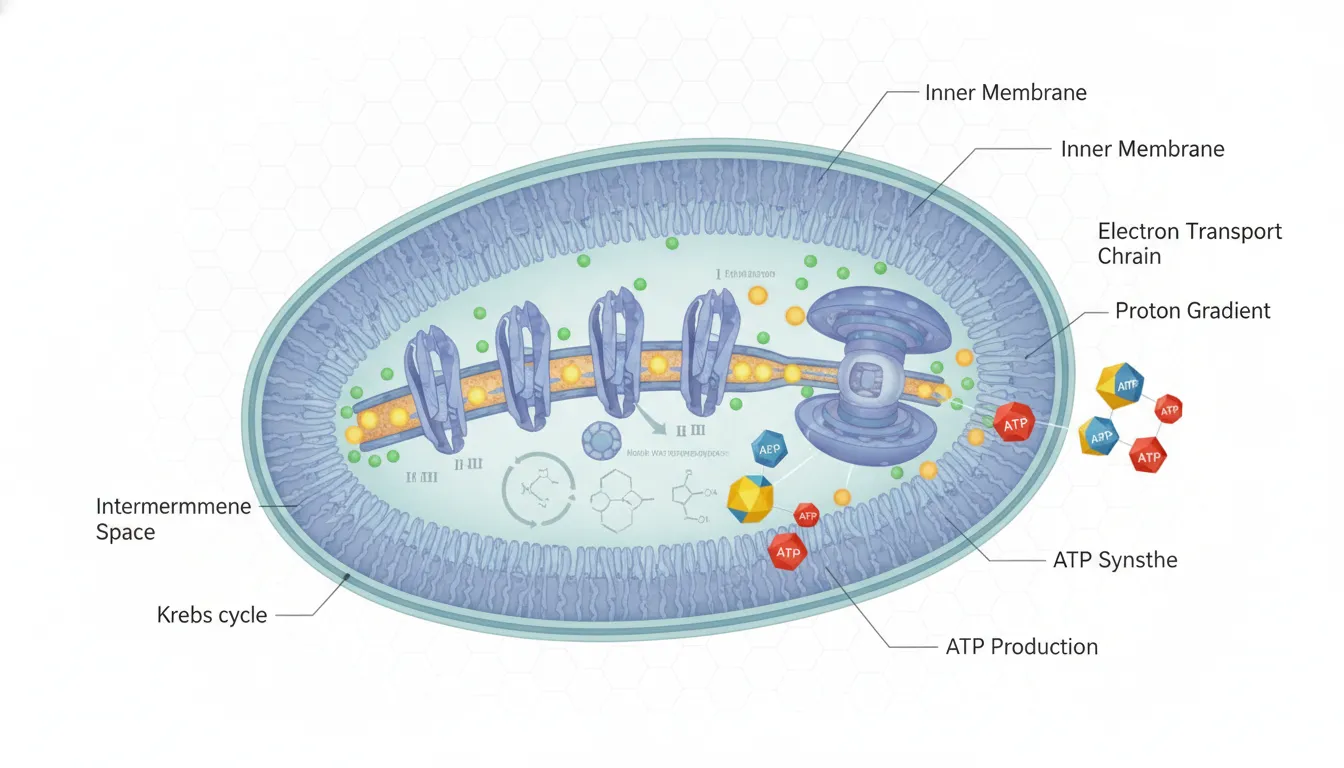
Mitochondria make a special molecule called ATP. Think of ATP as the fuel that runs your body. Every time you move a muscle or think a thought, you use up this fuel.
When your cells are healthy, they produce plenty of ATP. This keeps your mind sharp and your body strong all day long.
However, when these mitochondrial networks fail, systemic energy production plummets. This state is known as mitochondrial dysfunction and fatigue. It means your cells can no longer keep up with the work your life demands.
You may feel like you are running on a low battery that never fully charges. This lack of fuel affects every part of your health. It impacts how you think and how you move.
How cellular decay causes fatigue
Mitochondrial dysfunction is not just one problem. It is a slow decay of how your cells work. Over time, environmental toxins and physiological stress damage these delicate structures.
When they get hurt, they cannot use oxygen well. This change leads to a drop in energy that rest cannot fix.
Research shows that stress can lead to proteins that block energy flow. These proteins disrupt how the cell makes fuel. This decreased oxygen use leads to low strength and a heavy feeling in your limbs.
Even if you try to push through, your body lacks the base power it needs to stay active. For many, this is the root cause of why they stay tired despite sleeping eight hours.
The impact of sleep on energy output
Your daily habits play a big role in how well your cells work. Sleep is one of the most vital factors for your energy levels. While you rest, your body initiates critical maintenance on your cellular powerhouses.
If you do not get enough sleep, this repair process stops. The results of missing sleep are fast and harsh.
Just one night of poor sleep can lower your ATP output by up to 20 percent. This drop is why you feel so slow the next day. Our research on the impact of sleep on metabolic health shows how vital proper rest is for mitochondrial maintenance.
At National Wellness Group, we help you find where your cells are failing. We use root-cause medicine to help you build back your energy from the cell up.
The Link Between Mitochondrial Dysfunction and Chronic Fatigue
For many people, extreme tiredness is more than just a lack of sleep. It is often a sign of deep issues within the cells. The link between mitochondrial dysfunction and fatigue comes down to how your body makes energy. When your mitochondria fail, your whole system slows down. This is not a simple fix that coffee or rest can solve. It needs a look at the root cause of your energy loss.
Research shows that chronic tiredness is linked to how our cells handle stress. In many cases, the body cannot keep up with the demand for power. At National Wellness Group, we help patients find the real source of their chronic fatigue and mitochondrial dysfunction. We use advanced tests to see what is happening inside your cells. This helps us find why you feel drained every day.
How ER stress blocks energy
Your cells have a part called the endoplasmic reticulum, or ER. When the ER is under too much stress, it makes a protein called WASF3. This protein moves into the mitochondria and causes trouble. It breaks apart the tools the cell needs to make energy. To be clear, it stops the assembly of respiratory supercomplexes. This leads to much lower oxygen use in the body, which drains your stamina fast.
This process explains why some people feel weak after very little work. If your cells cannot use oxygen well, your muscles cannot stay active. You may feel a heavy weight in your limbs or a deep brain fog. These symptoms serve as warnings that your cellular organelles are struggling to function. Without a clear plan to fix this, the cycle of tiredness will go on. You cannot just push through a cellular breakdown.
The challenge of exercise intolerance
One of the biggest signs of this cellular breakdown is exercise intolerance. For most, a workout gives them more energy over time. But for those with mitochondrial issues, even a short walk can be too much. This is a key symptom in myalgic encephalomyelitis/chronic fatigue syndrome, also known as ME/CFS. It makes it hard for doctors to find a clear cause using standard blood tests. Many patients are told nothing is wrong when their cells are failing.
When the supercomplexes in your cells are broken, your body cannot bounce back. Exercise causes more stress, which creates more of the harmful proteins. This loop makes it hard to get well after any effort. You might spend days in bed after a simple trip to the store. This is why a standard approach to health often fails for our patients. We focus on cellular health to deliver systemic, life-changing wellness.
| Feature. | Healthy Mitochondria. | Failing Mitochondria. |
|---|---|---|
| Energy Output. | High ATP production. | Low ATP production. |
| Oxygen Use. | Efficient and steady. | Very low oxygen use. |
| Protein Flow. | Normal supercomplexes. | Blocked by WASF3 protein. |
| Exercise Response. | Builds strength. | Leads to total crash. |
| Stress Levels. | Low cellular stress. | High ER stress levels. |
Finding the root of the crash
Knowing these changes is the first step toward health. If your body is stuck in the failing column, you need a new path. We look for these markers to see how to help you. By fixing the way your cells make energy, we can help you get back to your life. Our team does not just look at symptoms; we look at how your body works at the smallest level.
Many people suffer for years without knowing why they are so tired. They try diets, pills, and rest, but the fatigue stays. This is because the problem is deep in the mitochondria. When we reveal these issues, we can start to remove the blocks to your health. This is the core of our work in functional medicine. We give you the answers that standard care often misses.
Signs Your Mitochondria are Struggling
Mitochondria make the fuel for every cell in your body. When they fail, you feel a deep type of tired that rest cannot fix. This is not just a busy week or a bad night of sleep. It is a sign your cells cannot keep up, a state called mitochondrial dysfunction and fatigue.
Ongoing Body Fatigue
People with failing mitochondria often feel wiped out even after a full night of rest. You might find it hard to get through your day without a nap or extra coffee. This happens because your cells are not making enough energy to power your heart and lungs. Research shows that low levels of Coenzyme Q10 are often linked to this kind of fatigue, as your cellular engines start to stall.
You may also feel a sense of heavy limbs or a lack of drive. This is not a lack of willpower; it is a lack of fuel, caused by compromised cellular organelles that force your body to slow down. This can lead to a cycle where you feel too tired to do anything. This “tired but wired” feeling is a common sign of cells in stress.
Mental Energy and Brain Fog
Your brain uses more energy than any other organ, so weak cellular power plants will make your mind feel slow and heavy. You might struggle to find words or lose your focus during a simple talk. This link between mitochondrial dysfunction and cognitive energy explains why “brain fog” is so common.
It is a sign that your brain is low on fuel and cannot work at its best. Many people think this mental slump is part of getting older, but we often find it is a cellular issue. When we fix the root cause, clear thought often returns. You should be able to think clearly and stay sharp all day.
Slow Recovery After Exercise
You may notice your body does not bounce back as well, and exercise that used to be easy might now feel like a chore. You may feel sore for days after a light walk or a trip to the store. This loss of power is a sign of weak cells that cannot use oxygen well. When your mitochondria struggle, your body has to work much harder just to stay moving.
This slow recovery can keep you from the things you love to do. It can also lead to more aches as your body fails to fix itself. To regain physical capacity, our Performance and Endurance Program is designed to optimize cellular repair and support energy production during activity. Many patients come to us after trying every diet with no luck. We use a clinical plan to find why your cells are failing and how to help them heal.
Advanced Diagnostic Testing: Revealing Mitochondrial Dysfunction

Standard health tests often look at large organs like the liver or kidneys. These tests are good for finding major disease, but they rarely look inside the cell. When you feel drained every day, the problem often lives in your mitochondria. These complex organelles must continuously convert dietary nutrients and oxygen into cellular fuel. If they fail, your body runs out of gas. Many people get “normal” results on basic tests but still feel weak. This happens because those tests do not check how your cells make energy. We believe that true health starts with the health of your cells.
Why Basic Blood Work Fails
Most doctors run a simple blood count or a thyroid test. While helpful, these do not show the full picture of your health. Constant fatigue and energy loss are often symptoms of deeper metabolic or hormonal imbalances. These issues require advanced testing to find the real cause. Basic labs might miss low levels of key nutrients. They also do not track how your cells use oxygen to create ATP. We look deeper to find out why your cellular powerhouses are struggling. Our goal is to find the exact blocks in your cell pathways.
The Clinical Reveal Process
At National Wellness Group, we use a clear path called the 5R Method. The first step is to “Reveal” the root cause of your symptoms. We do not guess about your health or use a generic plan. We use data to see how your body works at the cell level. This deep dive helps us find where your energy is leaking. By using integrative functional medicine for energy, we can map out a plan that fits your true needs. This approach is not primary care; it is a search for the truth. We follow a set of steps to get these vital answers:
- We start with a full review of your past health and all current symptoms.
- Next, we use organic acid tests to check the waste products of your metabolism.
- We look at intracellular levels to see if your cells have the nutrients they need.
- Then, we check for oxidative stress that might be harming your weak cell walls.
- We also test for toxic loads, like heavy metals, that block your energy making.
- Last, we look at hormonal health to see how it affects your cell fuel supply.
Finding the Markers of Decay
Advanced testing can find certain proteins that disrupt your energy and slow you down. For example, stress in the cell can lead to a protein called WASF3. This protein can stop cells from using oxygen well. This leads to a drop in endurance and makes even light exercise feel very hard. We also look for low levels of CoQ10 in your blood. This nutrient is a vital spark plug for your cells. Without it, your mitochondria cannot finish the job of making energy. Knowing these facts helps us fix the problem at the root and restore your life.
The 5R Method: A Functional Approach to Rebuilding Cellular Energy
When usual care fails to find a cause for your low energy, we look deeper. Many patients come to us after being told their labs are normal. But they still feel a deep lack of energy that does not go away with rest. At National Wellness Group, Dr. Yuabova uses a special system to treat mitochondrial dysfunction and fatigue. This path is known as the 5R Method. It moves beyond just masking signs of illness. It focuses on finding out why your cells stopped making power in the first place. By looking at the root cause, we can help you get back to a life of full health.
Reveal and remove cellular stressors
The first step in our plan is to Reveal. We use advanced tests to find the root cause of your energy loss. We want to find why your body feels stuck in a low-power mode. These tests look at how your cells use oxygen and process fuel. We often find that hidden stress is blocking your energy production. This work is key for those who have seen many doctors but still feel tired. We find the data that other tests might miss.
Next, we work to Remove these blocks. Stress on the cells can come from toxins, chronic infections, or gut issues. Research shows that mitochondrial decay often causes fatigue and a hard time with exercise. This decay can come from stress inside the cell. We work to clear these blocks so your cells can breathe again. This step sets the stage for real healing to start.
Replace gaps and restore function
The third step is to Replace. Your cells need specific tools to build ATP. ATP is the main fuel for your body. Many people with chronic fatigue lack the key parts their cells need to work. For example, low levels of Coenzyme Q10 are often linked to fatigue. We fill these gaps with the right nutrients to jump-start your energy production. This helps your mitochondria work at their best once more.
Then, we work to Restore. This means we help your cells get back to their normal work. We use integrative functional medicine for energy to fix metabolic and hormonal shifts. This step ensures that your whole body can support your new energy levels. We do not just fix one part. We look at the entire system to make sure everything works well together.
Regulate for long-term strength
The final step is to Regulate. We do not just want you to feel better for a short time. We want your energy to stay high for years. This part of the plan focuses on keeping your cellular health strong. We watch your progress and make small changes as you heal. This keeps your mitochondria ready for daily life. We also monitor biomarkers using biological age testing to track your true rate of cellular rejuvenation.
This full plan helps you move past simple fixes. By following each of the five steps, you can rebuild your power from the ground up. This method is for those who want real answers. It is for people who are ready to invest in their long-term health. Our goal is to help you find a clear path back to the life you love.
Targeted Nutrients and Therapy to Support Mitochondrial Health
Once tests find the root cause of your tiredness, the next step is to fix the damage. At National Wellness Group, we use a clinical path to help your body heal. We focus on the “Replace” and “Restore” parts of our care plan. This means we give your cells the exact tools they need to make energy again. By using specific nutrients, we can help resolve the core issues that lead to low energy and poor health.
NAD IV Therapy for Cellular Energy

One of the best tools for cell health is Nicotinamide Adenine Dinucleotide (NAD+). This is a coenzyme found in all living cells. It is a key part of the path that turns food into fuel. As you age or face stress, your NAD+ levels fall. This drop often leads to low energy and brain fog. By using NAD IV therapy for cellular energy, we can bypass the gut. This puts the nutrient right into your blood so your cells can use it fast.
This therapy helps to fix DNA and protect your cells. It also supports the enzymes that keep your energy high. Patients often find that their mind feels clearer after a few sessions. It is not a quick boost like caffeine. Instead, it works to build back the core energy your body has lost. This makes it a vital part of a long-term plan for health.
Essential Cofactors like CoQ10 and L-Carnitine
Your mitochondria need more than just one nutrient to work well. They rely on a team of cofactors to move electrons and make ATP. Coenzyme Q10 (CoQ10) is a major player in this team. It acts as a spark plug to start the energy making process. Research in the journal PMC shows that low CoQ10 levels are often linked to chronic fatigue. When these levels are low, your cells struggle to keep up with daily tasks.
L-Carnitine is another key nutrient. It helps by moving fatty acids into the cells to be burned for fuel. Without enough of it, your cells cannot use fat for energy. This can leave you feeling tired even if you eat well. We check your levels and give you the right dose to match your needs. This expert approach helps ensure your body has what it needs to thrive.
Reducing Stress with Alpha-Lipoic Acid
Oxidative stress is a big threat to your cell health. It can damage the parts of the cell that make energy. Alpha-Lipoic Acid (ALA) is a strong antioxidant that works in both water and fat. This allows it to protect every part of the cell. It also helps to turn on the genes that make new mitochondria. This process is key for lasting energy and resilience.
New data shows that fixing cell stress can help your body work better. One study found that lowering ER stress helps to restore cell function and ease fatigue. When you reduce this stress, your cells can make energy without being blocked by bad proteins. This leads to better stamina and a stronger body. We use clinical doses of ALA to clear out toxins and protect your health.
Frequently Asked Questions
What does mitochondrial fatigue feel like?
Mitochondrial fatigue feels like a deep, heavy exhaustion that does not go away with rest. You may feel weak, sleepy, and find it hard to focus on simple tasks. Many people also have brain fog and feel very tired for days after they exercise or move. This is different from normal tiredness because it happens at a cellular level. It often stops you from doing the things you love and can make every day feel like a struggle.
How long does it take to repair mitochondria?
Cellular repair is a slow process that often takes three to six months of steady care. Your body needs time to build new energy centers and clear out old, weak ones. Things like your current health and age change how fast you heal. Following a medical plan that includes the right food and sleep is key. Regular tests help track your growth as your cellular energy returns to normal levels over several months.
Does poor sleep cause mitochondrial dysfunction?
Yes, lack of rest directly hurts your cellular energy. According to the Maxwell Clinic, just one night of poor sleep can lower your energy output by about 20 percent. Over time, this stress makes it hard for your cells to make enough fuel for your body. Fixing your sleep is one of the most vital steps to help your cells work well again and stop the cycle of deep fatigue.
What disorders are linked to mitochondrial dysfunction?
Several health issues can lead to problems with your cellular energy centers. Research in PMC shows that chronic fatigue syndrome and fibromyalgia are often linked to mitochondrial issues. Other conditions like diabetes and heart disease can also play a role in how your cells make fuel. Since many health problems can hurt your mitochondria, it is vital to get a medical review to find the source of your low energy.
Are you ready to find the root cause of your deep fatigue now?
Feeling worn out each day puts a big strain on your work and life, while waiting to act lets the harm to your cells grow. You can stop this cycle of feeling tired now by having our team look at your health to find a clear way to heal. Our team uses tools that see what plain tests miss, giving you the base you need to reach your health goals and feel strong again. By acting today, you can get a map for your healing and start to build a plan for health that fits your own needs.
Ready to find real answers? Call (561) 781-8888 to schedule a private patient review and start your path toward better health today.