

The build-up of non-dividing cells in your body directly drives the physical aging process. When your repair systems slow down, these cells linger and create inflammation that limits your health span.
Apply for a Private Patient Review with a longevity specialist to explore how advanced protocols can optimize your healthspan.
Cellular senescence and longevity are linked by a process where stressed cells stop dividing but stay active. These “zombie cells” do not die; instead, they stay in the body and release harmful signals that damage nearby healthy tissue. This build-up contributes to chronic inflammation and the onset of age-related diseases. Research shows a clear link between the number of senescent cells and longevity in early studies. When these cells gather, they exhaust the body’s repair systems and shorten your healthy years. Understanding how to manage this cellular load is a key part of root-cause medicine. By targeting these dormant cells, doctors can help patients reach their best metabolic health and protect their long-term vitality. This biological shift is the base of modern health plans.
Modern functional medicine now focuses on how these damaged cells impact your overall vitality. To improve your health span, you must first understand the workings of this cellular shutdown. To clarify this process, we first look at What Is Cellular Senescence: The Biology of ‘Zombie Cells’. The path begins with
Cellular Senescence and Longevity: The Biology of ‘Zombie Cells’
The Hayflick limit and cell arrest
Most cells in your body divide to keep you healthy. They make new cells to replace old ones as they wear out. But cells cannot divide forever. A scientist named Leonard Hayflick found that most cells stop dividing after about 50 times. This fact is known as the Hayflick limit. When a cell hits this limit, it enters a state called cellular senescence.
Every time a cell divides, it loses a tiny bit of its genetic code. This happens at the ends of your DNA strands, called telomeres. Think of them like the plastic caps on shoelaces. When the caps get too short, the cell can no longer copy itself safely. This trigger forces the cell to stop dividing to prevent mistakes. Instead of dying, these cells stay in the body in a state that cannot be undone.
Stress can also force a cell to stop dividing early. High levels of DNA damage or free radicals from the air or food can trigger this change. Instead of clearing out, these cells stay in your skin and organs. This growth arrest is a core part of the aging process. It is one of the main reasons why measuring biological aging and cellular health is so important for long-term health.
The nature of zombie cells
Healthy cells usually die when they are damaged or too old. This process is called apoptosis. It is a clean way for the body to get rid of waste. Senescent cells are different. They refuse to die. They stop doing their normal jobs, but they still stay active. Because they are not quite dead but not fully alive, scientists call them “zombie cells.”
These zombie cells build up in your tissues as you get older. A young body can clear them out easily with a strong immune system. As we age, our bodies slow down and these cells start to pile up in the heart, brain, and joints. This buildup is a major part of the link between cellular senescence and longevity. Managing these cells is a key goal for those who want to feel their best as they age.
SASP and the aging process
Zombie cells do more than just take up space. They are still busy on the inside. They send out a mix of proteins and chemicals known as the SASP. This stands for the senescence-associated secretory phenotype. You can think of it like a “danger signal” that never turns off. These signals cause chronic inflammation in the healthy cells around them.
This inflammation can damage the tissue nearby. It can lead to common health problems like stiff joints, slow healing, and low energy. It also links cellular senescence and mitochondrial dysfunction. When your mitochondria fail, your cells lose the power they need to fix themselves. This creates a cycle that speeds up how fast you age. Managing this cycle is vital for anyone who wants to stay active as they get older.
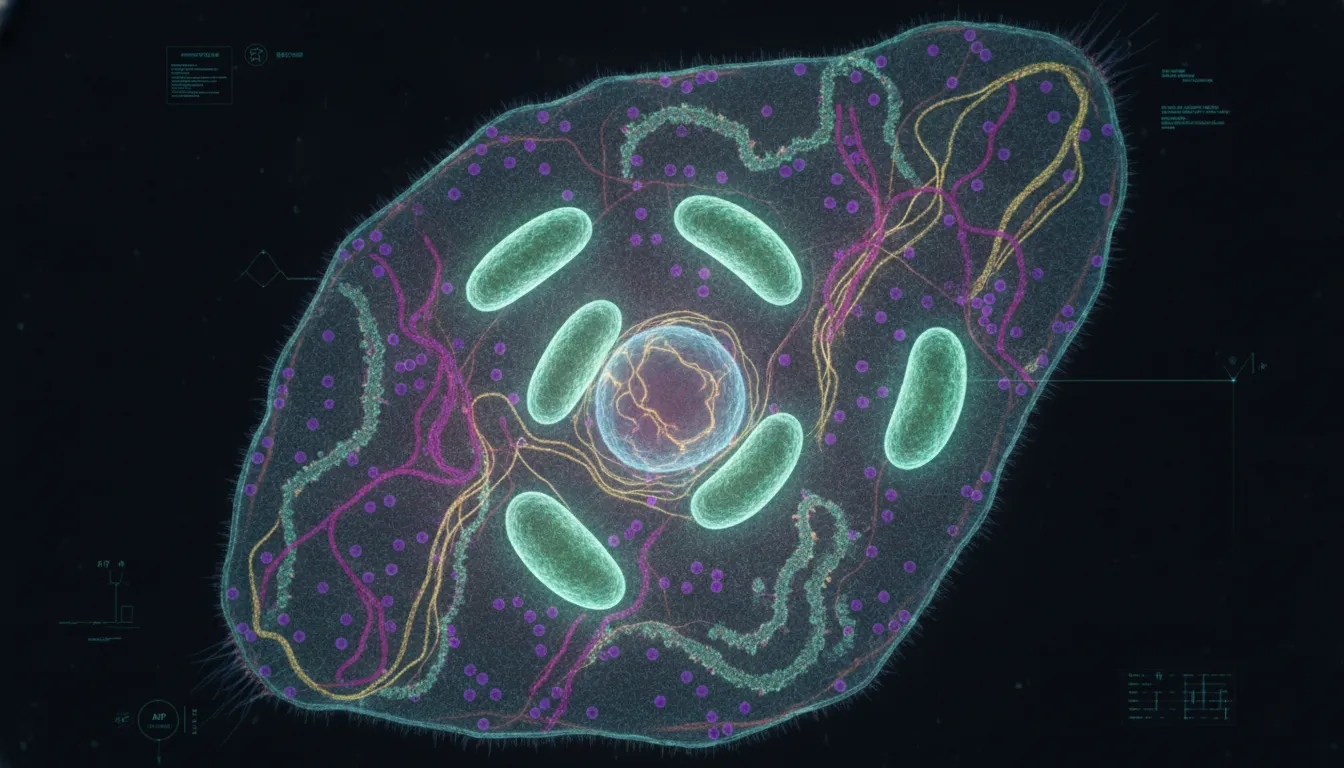
The Intrinsic Pathways: How Cells Become Senescent
Cellular senescence is a set process. It happens when a cell stops splitting but does not die. This stop helps protect the body from cells that might grow out of control. Two main inner paths manage this change. These paths act like safety locks. They ensure that damaged cells do not keep copying themselves. Knowing these paths is key to the study of cellular senescence and longevity.
The p53 and p21 path
The first path often starts with DNA damage. When a cell senses damage, it turns on a protein called p53. This protein is a tumor suppressor. It works to keep the cell from growing with flawed code. The p53 protein then triggers a new protein called p21. This second protein shuts down the cell cycle. This stop gives the cell time to try and fix the damage.
If the damage is too big, the p21 signal stays on. This keeps the cell in a state of final rest. This process is a core part of how our bodies handle stress. Experts found that p21 is a main part of the inner arm of senescence. By stopping growth, the body avoids making more damaged cells. This step is vital for staying healthy as we age.
The p16 and pRB check
The second path uses a protein called p16. This protein often builds up as we get older. It acts as a marker for cells that have reached their limit. High levels of p16 tell the cell to stop splitting for good. This signal works with another protein called pRB. Together, they lock the cell’s growth cycle in place. This lock is very hard to break once it is set.
The p16 path is not the same as the p53 path. It often responds to long-term stress rather than sudden damage. For instance, cellular senescence and mitochondrial dysfunction often go hand in hand. As energy centers fail, the p16 signal grows. This link shows why root-cause work is so vital. We must look at the whole cell to see why it has stopped working.
A block on cell growth
Both paths end in the same result. The cell stops making new copies of itself. These cells are still alive and active. They do not just go away. Instead, they stay in the tissue and send out signals. These signals can affect the cells around them. This is why checking biological aging and cellular health is so helpful. It lets us see how many of these cells are present.
In a healthy body, this block is a good thing. It stops cancer before it can start. But too many senescent cells can cause problems over time. They can lead to more inflammation in the body. This is why our team at National Wellness Group looks at these deep paths. We want to find the best way to support your cells. We focus on finding the root cause of these shifts to help you stay well.
The SASP: How Senescent Cells Spread Aging and Inflammation
When cells stop dividing, they do not just sit idle. Instead, they can turn into senescent cells that stay active in a harmful way. These cells release a mix of molecules known as the Senescence-Associated Secretory Phenotype, or SASP. This group includes inflammatory cytokines, growth factors, and proteases that can change the health of nearby tissues. While cellular senescence helps with wound healing or stopping tumors, its long-term build-up leads to chronic issues.
The spread of inflammation
The SASP acts as an extrinsic arm of cellular aging by sending signals to other parts of the body. These signals tell nearby healthy cells to also stop dividing. This spreads the state of senescence like a “contagion.” Research shows that senescent cells accumulate in organs as people age. This causes an exponential rise in tissue damage. This process is a major hallmark of aging and plays a role in many age-related disorders.
How the SASP affects tissue health
High levels of the SASP can break down the structure of tissues. Proteases in the SASP can degrade the proteins that hold cells together. This makes it harder for organs to work well. In mice, studies show a clear link between the number of these cells and a shorter life. Experts at our longevity specialist clinic in Boca Raton focus on these root causes to help patients optimize their health span. By finding ways to manage these signals, we can better protect the body from gradual decline.
Targeting the secretory profile
Modern medicine is looking at two main ways to deal with these cells. One way is using senolytic drugs to clear the cells out. The other way is using senomorphic drugs. These drugs work by suppressing SASP signaling without killing the cells. Some researchers think that changing what the cells secrete may be safer than removing them entirely. This focus on the SASP helps us understand how cellular senescence and mitochondrial dysfunction drive the aging process over time.
Cellular Senescence and Longevity: Senescence vs. Quiescence
To understand cellular senescence and longevity, you must first know the difference between a cell that is resting and one that has stopped for good. Scientists call these states quiescence and senescence. While both involve a break in cell division, their impact on your health and aging is very different.
Reversible rest and repair
Quiescence is a temporary state of sleep for your cells. It is a key stage that lets damaged cells use repair tools and then return to the normal cell cycle. Think of it like a car in a repair shop. Once the work is done, the car goes back on the road to do its job. This rest helps maintain your body’s tissues by preventing the growth of cells with minor errors.
Our team focuses on supporting these repair paths through advanced options like NAD+ IV therapy. By helping cells fix DNA damage before they reach a point of no return, we can help preserve tissue function. This proactive approach is a core part of our integrative functional medicine programs in Boca Raton.
The irreversible state of senescence
Senescence is much more permanent. When a cell enters this state, it stops dividing for good. This irreversible growth arrest is often a response to severe stress, such as DNA damage or the shortening of telomeres. Unlike quiet cells, these cells do not go back to work. Instead, they stay active and release signals that can cause inflammation in nearby tissues.
Comparison of cellular states
The table below shows how active, resting, and senescent cells differ in their behavior and impact on your body.
| Feature | Active Cells | Quiescent Cells | Senescent Cells |
|---|---|---|---|
| Cell Division | Regularly dividing. | Paused (can restart). | Stopped (permanent). |
| Metabolic State | High activity. | Low activity. | Highly active. |
| Secretions | Normal signals. | Low signals. | Inflammatory signals. |
| Main Purpose | Tissue growth. | Tissue repair. | Tumor prevention. |
| Aging Impact | Renewing tissues. | Preserves stem cells. | Drives aging. |
Managing the balance between these states is vital for long-term health. While senescence helps stop cancer by halting bad cells, the buildup of these cells over time leads to inflammation and age-related issues. At National Wellness Group, we use advanced tools to help find these markers and build plans for repairing cells and delaying senescence.
The Clinical Impact: How ‘Zombie Cells’ Drive Chronic Pathologies
When cells stop dividing, they do not always die. Instead, some stay in the body as “zombie cells” that can no longer repair tissue or grow. This state, known as cellular senescence, is a key driver of aging and disease. These cells build up in your organs over time, causing a slow decline in how your body works. For patients who feel they have plateaued with standard care, finding these cells is a vital step in root-cause restoration.
Degeneration of organs and tissues
As you age, the number of zombie cells in your body rises at a fast rate. They stop the normal process of cell renewal, which leads to a gradual loss of function in your cells and organs. This buildup is not just a part of getting older; it is a major factor in many long-term health issues. By measuring these changes through biological age testing, we can see how cellular health impacts your whole-body wellness.
Chronic inflammation and the SASP
Zombie cells are not idle. They are very active and send out a mix of harmful signals called the Senescence-Associated Secretory Phenotype, or SASP. This profile includes inflammatory proteins and growth factors that damage nearby healthy cells. This local spread of stress can turn a small issue into a chronic health problem. It creates a state of low-level inflammation that hurts your metabolic health and wears down your joints and heart over time.
Impact on metabolic and joint health
The spread of SASP signals often hits the metabolic system and connective tissues the hardest. High levels of these cells are linked to the rise of age-related pathologies that affect your daily life. This can show up as stiff joints, poor energy, or heart concerns that do not respond to basic fixes. At our Boca Raton clinic, we use the 5R Method to find these stressors and help you repair cells and delay senescence for better long-term health.

Functional Medicine Interventions: Targeting Senescent Cells
Functional medicine uses new ways to help you live a longer life. One key goal is to find and clear old cells. These are called senescent cells.
They stop dividing but do not die. Instead, they stay in the body and release harmful signals. This build-up can lead to cellular senescence and mitochondrial dysfunction, which drives aging.
Clearing old cells with senolytics
Senolytics are agents that help your body clear out these old cells. These tools focus on cells that refuse to die on their own. By removing them, your body can make room for fresh cells.
This process may help improve tissue health. It can also slow down the aging process in the body.
Common senolytics include natural compounds like Quercetin and Fisetin. Some clinical plans also use drugs like Dasatinib.
These agents act like a clean-up crew for your tissues. They find the cells that are stuck and help the body let them go. This is a big part of how we target aging at the root level.
Controlling signals with senomorphics
Not all old cells need to be removed right away. Sometimes, it is better to stop the bad signals they send. These signals are known as the SASP.
Senomorphics are compounds that suppress SASP signaling without killing the cell. This helps lower inflammation and protects the cells nearby.
Resveratrol and Metformin are two well-known senomorphics. They work by changing how the cell acts. Instead of spreading stress, the cells become quiet.
This change can help keep your organs working well as you age. It is a key step in any plan for cellular senescence and longevity.
A step-by-step plan for cellular health
To get the best results, you need a clear plan. We use a structured way to help your cells stay young. This plan focuses on both clearing out old cells and keeping the body strong. Here is how we target aging.
- Check your health first. We use tests to find signs of aging in your blood. This shows us how many old cells you have.
- Help your body heal. Before using strong tools, we make sure your body can handle the clean-up. We focus on food and sleep to build a strong base.
- Use clearing agents. With a doctor’s help, you may take compounds like Quercetin to clear out stuck cells. This is often done in short bursts.
- Stop harmful signals. We use senomorphics to lower the stress signals from leftover old cells. This keeps inflammation low in your body.
- Watch and change. We test you again to see how well the plan works. We then change the plan to fit your needs.
By following these steps, we can help you stay active for more years. Our goal is to fix the root cause of aging. You can measure biological aging and cellular health to see the real impact of these choices.
Ready to take control of your cellular health? Schedule a consultation with our team at National Wellness Group or call us directly at (561) 781-8888 to discuss your custom longevity program today.
Frequently Asked Questions
What is the relationship between cellular senescence and longevity?
Cellular senescence is a key part of how the body ages over time. These are cells that can no longer divide but do not die. Instead, they stay active and release signals that cause inflammation in nearby tissues. As people get older, these cells build up and can lead to many health issues. Studies in mice and other models show that having more of these cells is linked to a shorter life. Controlling this process may help keep tissues healthy for longer.
Can removing senescent cells promote longevity?
Yes, finding ways to clear out these cells can help support a longer life. Scientists use drugs called senolytics to target and remove cells that have stopped dividing. Research shows that removing these cells can improve tissue health and extend how long an animal lives. Even clearing a small number of them can make a big difference in how well organs work. This approach aims to slow down the natural changes of aging and keep the body working at a high level.
What is the Hayflick limit in cellular senescence?
The Hayflick limit is the point where normal cells stop dividing. In a lab setting, most cells can divide about 50 times before they reach this stage. This natural limit helps protect the body by stopping cells that might have damage from making copies of themselves. Once a cell hits this limit, it enters a state of senescence. Understanding this process is vital for longevity work because it shows why our bodies cannot keep making new cells forever as we age.
Does modulating cellular senescence increase lifespan?
Research suggests that changing how senescent cells act can help humans live longer. Some studies show that removing these cells can slow down age-related diseases. However, scientists say we must be careful. These cells also play a role in wound healing and stopping cancer. Removing all of them might cause other health problems. Future tools may focus on changing the signals these cells send instead of getting rid of them entirely. This could help people stay healthy without the risks of total removal.
Ready to address the root causes of aging?
Every day you wait allows old and tired cells to build up in your body and cause harm. This buildup can slow you down and drain your energy long before you even notice the change. If you start your health plan now, you can stop this decay and help your body stay strong for many years to come. Do not let your health slip away by putting this off until next month or next year. Our team is here to help you find the best path to long term health and wellness today. You can get back to living well with a clear plan that looks at your whole body. Waiting too long makes it harder to fix the root cause of your health issues. Act now to protect your future and keep your body working the way it should.
Ready to start? Call (561) 781-8888 to Apply for Private Patient Review.