
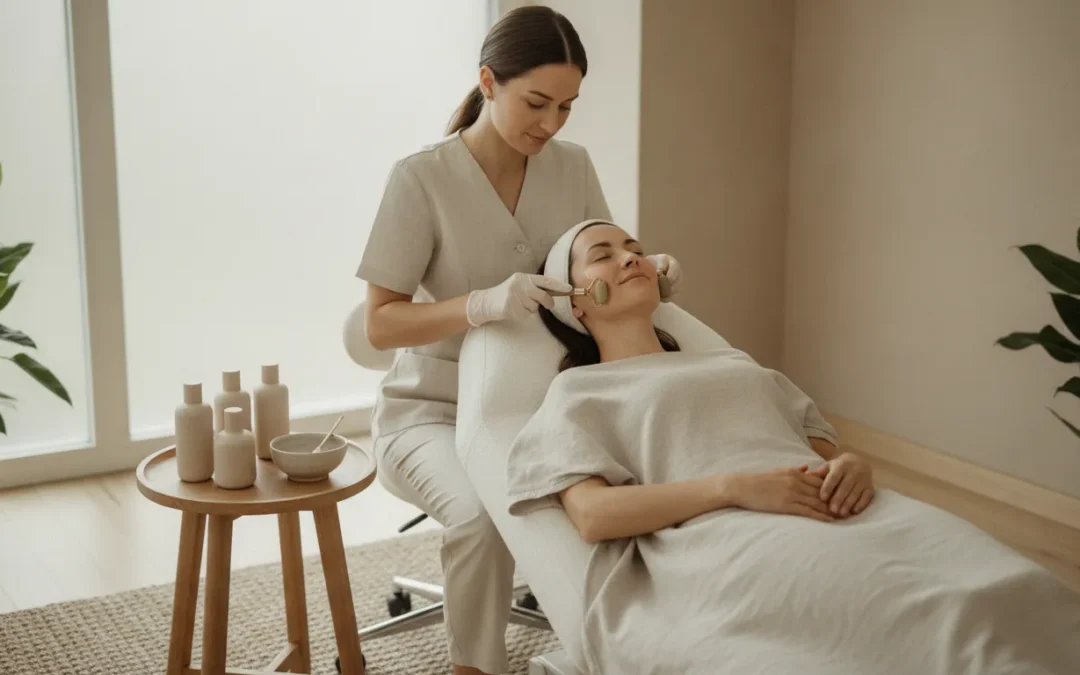
Acne scars are not simply marks left behind by old breakouts. They can reflect damaged collagen, fibrous scar bands, and skin that has not fully regained its normal repair pattern. That is why treatment planning should consider both the surface texture and the biology beneath it.
Apply to qualify for a private consultation to explore whether PRP and microneedling for acne scars fits your skin and goals.
Research suggests that prp and microneedling for acne scars can produce greater improvement in atrophic scars than microneedling alone. Microneedling creates controlled micro-channels that stimulate collagen remodeling, while platelet-rich plasma supplies concentrated, patient-derived growth factors that may support the healing response. Results vary by scar type, skin condition, and treatment plan, so this combination is best viewed as a progressive repair strategy rather than a guaranteed cure.
At National Wellness Group, we look at how these therapies complement one another and how personalized root-cause care may support healthier skin repair. The first step is understanding what each treatment contributes to the remodeling process.
How Microneedling and PRP Work Together on Acne Scars
Microneedling and platelet-rich plasma address acne-scarred skin through two complementary pathways. The needles create a controlled repair response, while PRP supplies concentrated growth factors from your own blood. Together, they support the gradual remodeling of scarred tissue rather than simply covering uneven texture.
Microneedling creates a controlled remodeling signal
A microneedling device passes fine needles across the skin to create hundreds of tiny, invisible micro-channels. These channels are small enough to encourage healing without removing the entire surface layer. The body responds by increasing collagen and elastin production, two structural proteins that help skin become stronger, more resilient, and more even over time. Clinical reference material on microneedling describes this process as a controlled wound-healing response.
Microneedling also has a mechanical role. Some atrophic acne scars are tethered by fibrous bands beneath the surface. The needle movement can help disrupt those bands, giving the depressed area an opportunity to remodel as new connective tissue develops. This is one reason treatment is aimed at the underlying structure, not only the visible discoloration.
PRP reinforces the skin’s natural healing response
PRP is an autologous preparation, meaning it is made from a concentrated portion of your own blood. It contains a higher concentration of platelets and growth factors than ordinary plasma. These signaling proteins help coordinate tissue repair. Research describes PRP as a rich source of growth factors that may support healing and skin remodeling when applied or introduced after microneedling. A PubMed review of PRP and microneedling explains how this combination is used in scar treatment.
Microneedling’s micro-channels also create a temporary route into the dermis. When PRP is applied to freshly treated skin or infused through those channels, its growth factors can reach deeper layers than they would on intact skin alone. The interaction is practical: microneedling initiates the repair signal and improves access. While PRP adds a concentrated autologous source of repair-related factors, including platelet-derived growth factor (PDGF) and transforming growth factor-beta (TGF-beta).
Why using your own PRP matters
Because PRP comes from the patient, it is autologous. It does not introduce a foreign filler or biologic material. So it does not carry the same concern about allergic reaction, hypersensitivity, or immune rejection associated with foreign substances. That does not make every treatment risk-free, and candidacy still depends on your skin, scar pattern, medical history, and healing capacity.
The goal is measured improvement in texture as collagen remodeling progresses. A careful assessment can determine whether this approach fits your scars and how it may complement broader holistic aesthetic services. For additional background on how platelet-rich plasma is used across our practice, see our PRP injections specialist resource.
What Research Says About PRP and Microneedling for Acne Scars
For people considering prp and microneedling for acne scars, the strongest available evidence supports combining the treatments rather than treating them as interchangeable options. Microneedling creates controlled micro-injuries that stimulate repair, while platelet-rich plasma adds concentrated growth factors from your own blood. Together, they may support more noticeable scar remodeling without automatically adding a higher risk of serious complications.
A 2022 meta-analysis published in Frontiers in Medicine by Kang and colleagues found that combined microneedling and PRP was more effective for acne scars than microneedling alone. Patient satisfaction was also higher with combination treatment, with an odds ratio of 4.15. Importantly, the analysis found no significant difference in severe adverse events between the groups. This supports combination therapy as a reasonable option to discuss, not as a guarantee of a particular result.
| Outcome | Microneedling + PRP | Microneedling alone |
|---|---|---|
| Effectiveness and scar reduction | Generally greater improvement in atrophic acne scars in the meta-analysis and a split-face study. | Can improve texture through collagen remodeling, but performed less well than the combination in comparative research. |
| Patient satisfaction | Higher satisfaction in the Frontiers meta-analysis, reported at an odds ratio of 4.15. | Lower satisfaction than combination treatment in the same comparative analysis. |
| Downtime | Usually involves short-term redness and swelling associated with microneedling. Adding PRP does not establish a longer recovery for every patient. | Also commonly involves temporary redness and swelling after treatment. |
| Safety | No significant rise in severe adverse events compared with microneedling alone in the meta-analysis. Individual risks still require assessment. | Generally well tolerated in studies, although side effects and suitability vary by skin, scar type, and treatment settings. |
The findings are consistent with a split-face study indexed in PubMed, in which areas treated with PRP plus microneedling showed superior improvement in atrophic scars compared with areas treated with microneedling alone. For additional patient-facing context, acne.org summarizes strong evidence showing that after four microneedling sessions with PRP. 56% of patients achieved good or excellent improvement, while 83% achieved at least moderate improvement. These figures describe study outcomes, not a promise for every person.
Your consultation should therefore consider scar depth and type, active acne, skin sensitivity, healing history, and the treatment plan that fits your goals. A careful assessment helps determine whether combination therapy is appropriate and how it should be coordinated with broader skin-repair care.
How Many PRP and Microneedling Sessions Do You Need for Acne Scars?
Most people need a series rather than a single treatment. A common starting plan is three to six sessions, with each appointment scheduled four to six weeks after the previous one. This interval gives the skin time to recover and allows collagen remodeling to develop gradually. The right number depends on your scar type, depth, skin response, overall health, and treatment goals.
Begin with an individualized assessment. Acne scars are not all structurally identical. Rolling, boxcar, and other atrophic scars may respond differently, while active acne, inflammation, pigmentation, or a compromised skin barrier may affect when treatment should begin. Your clinician should evaluate the scar pattern and your health history before recommending a session count. A personalized plan is more useful than choosing a fixed number from a generic treatment package.
Plan for an initial series of three to six sessions. Research and clinical guidance commonly describe treatments spaced four to six weeks apart, supporting the gradual wound-healing and collagen-remodeling process. The National Center for Biotechnology Information explains that microneedling creates controlled micro-injuries that stimulate skin repair and collagen production. Read the clinical overview of microneedling.
Adjust the treatment depth to the scars being treated. Needle depth is not automatically the same for every patient or every area of the face. Depending on scar severity, treatment depths may range from approximately 0.5 to 2.5 mm. This adjustment should be made by a qualified practitioner, not copied from someone else’s plan. Deeper treatment may be appropriate for more significant structural scarring, but safety and healing capacity remain essential considerations.
Review progress before adding another session. Results build cumulatively. Each appointment contributes to a longer remodeling process, so your clinician may assess texture, scar depth, inflammation, and recovery before confirming the next treatment. Combining PRP with microneedling may support deeper delivery of platelet-derived growth factors through the micro-channels created during treatment. Evidence on the combination is discussed in this review of PRP in acne-scar treatment.
Allow improvement to continue after the final session. Finishing the planned series does not mean the skin has stopped changing. Collagen remodeling can continue for several months, and the gains from multiple sessions may become clearer over time. Acne.org describes microneedling with PRP as typically repeated up to six times at approximately one-month intervals, with gradual improvement after each treatment. That timeline is a guide, not a promise. Follow-up care should account for your healing pattern and whether additional treatment is appropriate.
The goal is not to chase a predetermined number of appointments. It is to create enough time between carefully selected treatments for your skin to repair, remodel, and show its response. A consultation can help determine whether PRP and microneedling for acne scars fits your current skin health and what a responsible treatment sequence may look like.
PRP and Microneedling Results Timeline for Acne Scars
Results from PRP and microneedling for acne scars develop in stages. The first changes are usually related to recovery, while the more meaningful improvement comes from the skin’s gradual collagen-remodeling response. Your timeline can vary based on scar type, skin biology, treatment settings, and the number of sessions in your plan.
Days 1 to 3: Recovery comes first
Immediately after treatment, the skin may look flushed and feel warm or tight. Mild redness and swelling are common and typically resolve within two to three days. This temporary response does not indicate the final result. It reflects the controlled healing process that begins after microneedling creates microscopic channels in the skin.
During this early window, follow your clinician’s aftercare instructions carefully. Avoid adding unapproved products or procedures while the skin barrier is recovering. Protecting the treated skin from sun exposure is also important because recently treated skin can be more vulnerable to irritation and uneven pigmentation.
Weeks 1 to 3: Early changes begin
Once the initial redness settles, some patients notice a subtle glow or smoother-looking surface. These early changes may be modest. The deeper work is still developing beneath the surface as the skin organizes new repair activity. PRP provides a concentrated source of growth factors, and the micro-channels created during microneedling can help deliver those factors into the dermal layer. Research on PRP and microneedling describes this combined repair approach.
At this stage, it is too soon to judge the full effect on depressed or uneven scars. Photos taken in consistent lighting can be more useful than day-to-day mirror checks, especially when changes are gradual.
Weeks 3 to 6: Texture starts to improve
Between the third and sixth weeks, collagen remodeling may begin to produce more noticeable changes in skin texture. Edges of atrophic scars can look softer, and the overall surface may appear more even. These changes are usually incremental rather than dramatic after one appointment. Microneedling references describe this cumulative remodeling process as developing over several months, not overnight. The NCBI Bookshelf overview provides additional clinical context.
By sessions 3 to 4: More visible improvement
Many treatment plans use several sessions because each appointment builds on the prior healing response. By the third or fourth session, patients may see a clearer reduction in the appearance of acne scars. Data summarized by Acne.org reports good or excellent improvement, defined there as 50% to 75% improvement, in 56% of patients after four sessions. This is a population result, not a promise of an identical outcome for every patient.
Full texture remodeling can continue for three to six months or longer as cumulative sessions stimulate gradual changes in scarred tissue. A thoughtful plan therefore measures progress over time rather than stopping at the first visible glow. Your provider can reassess the skin after each session and determine whether additional treatment is appropriate.
Why a Functional Medicine Approach to Acne Scars Goes Beyond the Skin
Acne scars are visible on the skin, but the conditions that create them may not begin there. Ongoing inflammation, hormone shifts, food sensitivities, or inadequate nutritional support can contribute to active acne and make tissue repair less efficient. Treating the surface may improve texture, yet lasting progress also depends on understanding what your skin is responding to.
At National Wellness Group, we approach this work through the Concierge Root-Cause Medicine Institute. That means PRP and microneedling can be considered as part of a broader plan for skin health, rather than as an isolated cosmetic procedure. Our holistic aesthetic services are designed to complement a careful assessment of your overall health, history, and goals.
Skin repair depends on more than collagen stimulation
Microneedling creates a controlled repair signal, and PRP provides concentrated growth factors from your own blood. Your ability to respond to that signal, however, is influenced by the internal environment supporting healing. Chronic inflammation can interfere with repair. Food sensitivities may act as ongoing internal stressors for some patients. Hormonal imbalances, including changes in androgen activity, can contribute to acne recurrence and continued tissue damage.
Nutrition is another part of the picture. Vitamin C, vitamin D, and zinc each play roles in skin health and collagen matrix repair. This does not mean a supplement or lab result explains every case. It means a thoughtful plan looks for relevant gaps and addresses them appropriately instead of assuming every patient needs the same protocol.
The 5R Method creates a root-cause framework
Our 5R Method gives this process structure:
- Reveal: Identify patterns, symptoms, history, and potential contributors to acne and slow healing.
- Remove: Address internal stressors, including relevant food sensitivities or sources of chronic inflammation.
- Replace: Correct meaningful nutritional deficiencies and provide the building blocks needed for repair.
- Restore: Support hormonal, metabolic, gut, and skin function as part of a coordinated plan.
- Regulate: Build sustainable habits and ongoing oversight that help protect progress over time.
This framework does not promise to erase every scar or guarantee a specific result. It helps us ask better questions before, during, and after aesthetic treatment. When underlying drivers are identified and supported. PRP and microneedling may fit more intelligently into a personalized strategy for improving skin texture and reducing the conditions that can contribute to new breakouts.
Preparing for PRP and Microneedling and Supporting Skin Repair
A thoughtful result starts before the appointment. During your assessment, we consider the type and depth of your acne scars, your current skin condition, your healing history, and the timing of other treatments. Active breakouts should be addressed before treating scarred areas, since microneedling is not intended for inflamed acne lesions. Your plan should also allow adequate spacing between sessions so the skin can heal and remodel rather than being rushed.
Preparation is individualized. Depending on your skin and treatment plan, we may review your current products, recent procedures, medications, and sun exposure. Tell your provider about anything that affects bleeding, inflammation, or wound healing. The goal is not to follow a generic checklist. It is to create conditions in which your skin can respond safely and predictably.
What to expect after treatment
Mild redness and swelling are common after PRP and microneedling. For most patients, these effects resolve within two to three days. The temporary inflammation is part of the repair process, but increasing pain, marked swelling, drainage, or other unexpected symptoms should be reported to your provider promptly. Your specific aftercare instructions take priority because treatment depth and skin response vary.
Unless your clinician advises otherwise, avoid anti-inflammatory medications such as ibuprofen in the immediate post-treatment period. These medications can blunt the inflammatory cascade that supports healing and collagen remodeling. Do not change a medication prescribed for another medical condition without speaking with the clinician who prescribed it.
Protect the healing skin
Strict sun protection is essential while the skin barrier is recovering. UV exposure can increase the risk of post-inflammatory hyperpigmentation, particularly when the skin is temporarily more sensitive. Follow your provider’s instructions for sunscreen, hats, shade, and when to resume normal outdoor activities. Keep your skincare routine gentle, avoid picking or scrubbing, and use only the products recommended for your recovery window.
Microneedling is generally considered appropriate for all skin types, including darker skin tones. And has a lower risk of post-inflammatory hyperpigmentation than laser resurfacing because it does not rely on thermal injury. That does not make every treatment identical or risk-free. Careful assessment, conservative settings when appropriate, and disciplined sun protection still matter.
A plan that continues beyond one procedure
At National Wellness Group, skin repair is part of a longer partnership rather than a one-time cosmetic fix. We monitor how your skin responds, adjust the plan when needed, and consider the broader factors that may influence healing. With limited enrollment and high-touch oversight. Your PRP and microneedling plan can remain connected to your overall health goals and the texture, tone, and resilience you want to support.
Explore our holistic aesthetic services to see how regenerative treatments may fit within a personalized approach to skin health.
Apply to qualify for a private consultation to learn how a root-cause skin plan can support your healing and results.
Frequently Asked Questions
Is combining PRP with microneedling worth considering for acne scars?
It can be, especially for atrophic scars such as rolling, boxcar, and some icepick scars. Microneedling creates controlled micro-channels and stimulates collagen remodeling, while PRP adds concentrated growth factors from your own blood. A split-face study found greater atrophic-scar improvement with combined PRP and microneedling than with microneedling alone (PubMed). Your candidacy still depends on scar type, active acne, skin health, and healing factors.
Does PRP permanently remove acne scars?
No. Treatment can soften the appearance and texture of scars, but it does not erase scar tissue or guarantee permanent results. Acne can also create new scars if active breakouts remain untreated. A complete plan should address the existing scar pattern while investigating factors that may contribute to inflammation and impaired skin repair.
Is one session enough to improve acne scars?
Usually, one session is considered a starting point rather than a complete plan. Scar remodeling develops gradually, so many treatment plans use multiple sessions spaced about four to six weeks apart. The appropriate number depends on scar depth, skin response, treatment settings, and your goals. A qualified clinician should reassess your progress before recommending another session.
How long does it take to see results after PRP and microneedling?
You may notice temporary redness or swelling for two to three days, followed by gradual texture changes as collagen remodeling continues. Visible improvement typically builds over several weeks and across multiple sessions rather than appearing immediately. Protecting your skin from the sun and following aftercare instructions can support a safer recovery.
Is PRP safe for every person with acne scars?
PRP is prepared from your own blood, but that does not make every treatment appropriate for every patient. Active acne, infection, bleeding concerns, medication use, pregnancy, and other health factors may affect timing or eligibility. A personalized evaluation is important before treatment, particularly when acne or slow healing may reflect an underlying health issue.
Ready to Explore a Personalized Skin Plan?
PRP and microneedling may be one part of a thoughtful approach to improving acne-scar texture and supporting healthier skin. Our team can discuss your goals, skin history, and whether a personalized plan is appropriate for you. Apply for a private consultation to explore PRP and microneedling alongside root-cause skin optimization.