
You have the diagnosis and the prescription, but you still don’t feel like yourself. The persistent fatigue, brain fog, and stubborn weight gain can be incredibly frustrating, leaving you searching for more answers. This experience is common because medication, while essential, doesn’t address the underlying autoimmune attack on your thyroid. This is where your daily choices become so powerful. A well-formulated Hashimoto’s thyroiditis diet is not about deprivation; it’s about using food as a tool to calm inflammation, support your immune system, and provide the specific nutrients your body needs to begin healing. This guide will show you how to make intentional food choices that help you feel more energized and in control.
Key Takeaways
- Address the autoimmune root cause: Since Hashimoto’s is an immune system issue, focus on calming inflammation by supporting your gut health. A healthy gut is foundational to a balanced immune response and can help reduce the autoimmune attack on your thyroid.
- Prioritize anti-inflammatory foods: Fill your plate with whole foods like colorful vegetables, healthy fats from sources like avocado and salmon, and quality proteins. Limiting potential triggers such as gluten, processed foods, and added sugar can make a noticeable difference in your symptoms.
- Ensure you get key thyroid nutrients: Your thyroid relies on specific vitamins and minerals, including selenium, zinc, and vitamin D, to function properly. Since everyone’s needs are different, working with a practitioner can help identify any personal deficiencies and create a plan tailored to your body.
What Is Hashimoto’s Thyroiditis?
Let’s start with the basics. Hashimoto’s thyroiditis is an autoimmune condition. This means your immune system, which is designed to protect you from outside invaders, gets its signals crossed and begins to attack your own body. In this case, the target is your thyroid gland, the small, butterfly-shaped gland at the base of your neck responsible for regulating your metabolism, energy levels, and so much more.
Over time, this constant attack can damage the thyroid, making it unable to produce enough hormones. This leads to an underactive thyroid, a condition known as hypothyroidism. It’s the most common cause of hypothyroidism in the United States. Understanding that Hashimoto’s is fundamentally an immune system issue is the first step in managing it effectively. Instead of just focusing on the thyroid itself, a holistic approach looks at the entire body to calm the immune response and support overall thyroid health. This is where targeted changes to your diet and lifestyle can make a world of difference, helping you feel more like yourself again.
Recognizing the Symptoms
Do you ever feel exhausted for no reason? Or maybe you’ve noticed your skin is drier than usual, your hair is thinning, or you’re gaining weight despite your best efforts. These are some of the most common signs of Hashimoto’s. Because the damage to the thyroid happens gradually, the symptoms can be subtle at first and are often dismissed as normal signs of aging or stress.
Other common symptoms include constipation, feeling cold when others don’t, muscle aches, and brain fog. Since these signs can overlap with many other conditions, getting a proper diagnosis is key. If any of this sounds familiar, it’s worth discussing with a practitioner who specializes in women’s health, as women are significantly more likely to develop Hashimoto’s.
Understanding the Autoimmune Connection
At its core, Hashimoto’s isn’t just a thyroid problem; it’s an immune system problem. Your body is creating antibodies that target and damage your thyroid tissue. This autoimmune response doesn’t happen in a vacuum. It’s believed to be caused by a combination of factors, including a genetic predisposition, environmental triggers, and lifestyle habits.
While you can’t change your genes, you have a great deal of influence over your lifestyle, especially your diet and gut health. The food you eat can either fuel inflammation and confuse your immune system or help calm it down. This is why so many people with Hashimoto’s find that making intentional food choices is a powerful way to manage their symptoms and support their overall autoimmune wellness.
How Diet Impacts Hashimoto’s
When you’re living with Hashimoto’s, what you eat can make a significant difference in how you feel. While medication plays a key role in managing thyroid hormone levels, your diet is a powerful tool you can use every single day to support your body. The right foods can help reduce inflammation, calm your immune system, and provide the essential nutrients your thyroid needs to function at its best.
Making intentional food choices is about more than just avoiding certain ingredients; it’s about nourishing your body from the inside out. By focusing on a nutrient-rich, anti-inflammatory diet, you can help manage symptoms like fatigue, brain fog, and weight fluctuations. Let’s explore the three main ways your diet directly influences your thyroid health.
Connecting Your Gut and Thyroid
You might be surprised to learn just how closely your gut and thyroid are connected. Think of your gut as the gatekeeper for your immune system. When the balance of bacteria in your gut is off, a condition known as dysbiosis, it can lead to increased intestinal permeability, or “leaky gut.” This allows undigested food particles and toxins to enter your bloodstream, triggering an immune response. This chronic immune activation can contribute to autoimmune problems, including the attack on the thyroid seen in Hashimoto’s. A focus on gut health is often the first step in calming the autoimmune response.
How Food Affects Inflammation
Inflammation is a natural process, but when it becomes chronic, it can worsen autoimmune conditions. The foods you eat can either fuel that inflammation or help put out the fire. Processed foods, refined sugars, and for some people, gluten, can act as triggers that increase inflammation and thyroid antibody levels. On the other hand, a diet rich in whole, unprocessed foods provides the antioxidants and nutrients your body needs to calm the inflammatory response. By making smart food choices, you can directly support your body’s ability to regulate inflammation and improve your overall thyroid health.
The Role of Nutrient Absorption
Even with a perfect diet, if your body isn’t absorbing nutrients properly, your thyroid can suffer. Many people with Hashimoto’s have deficiencies in key vitamins and minerals that are crucial for thyroid function. These include selenium, zinc, iron, and vitamins D and B12. These nutrients play vital roles in producing and converting thyroid hormones, protecting the thyroid gland from damage, and supporting overall energy levels. A functional medicine approach can help identify specific deficiencies, ensuring your body gets exactly what it needs to thrive and manage Hashimoto’s effectively.
Foods to Eat for a Hashimoto’s Diet
When you have Hashimoto’s, thinking of food as a tool to support your body can make a huge difference. The goal isn’t about restriction; it’s about choosing nutrient-rich foods that help calm inflammation and give your thyroid what it needs to function well. By focusing on whole, unprocessed ingredients, you can create a diet that helps you feel more energized and in control of your health. An anti-inflammatory approach is key, as it directly addresses the autoimmune nature of the condition.
This means filling your plate with a colorful variety of foods that are packed with vitamins, minerals, and antioxidants. Think of it as building a foundation for better thyroid health one meal at a time. Instead of getting overwhelmed, start by incorporating more of these supportive foods into your daily routine. Small, consistent changes often lead to the most significant improvements in how you feel.
Foods That Fight Inflammation
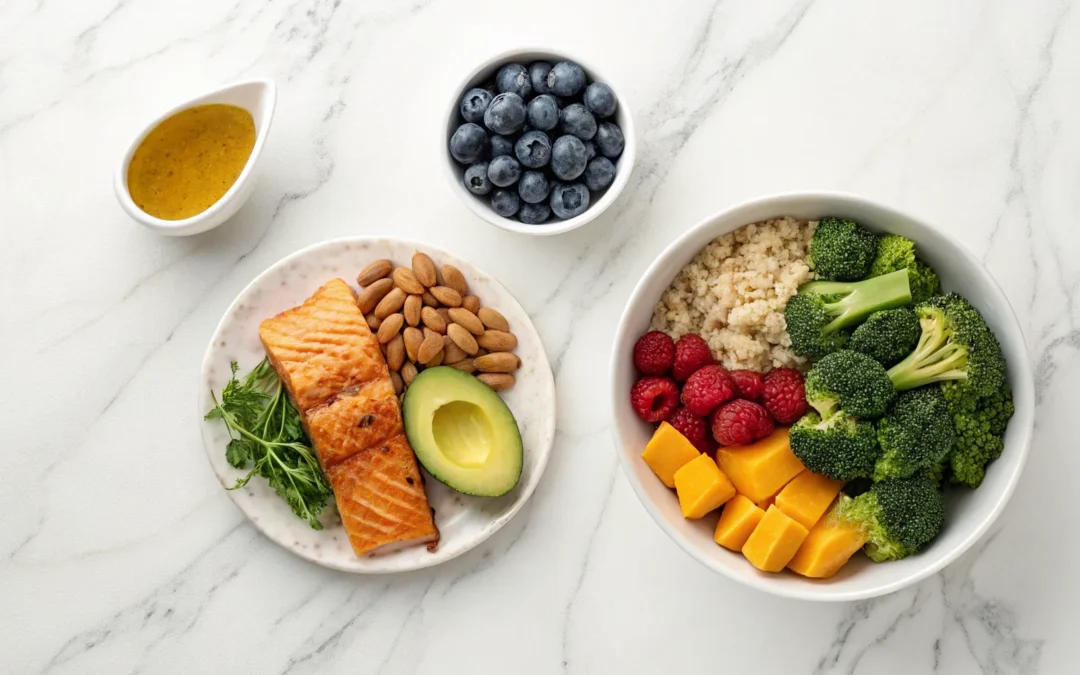
Since Hashimoto’s is an autoimmune condition, managing inflammation is a top priority. An anti-inflammatory diet is rich in whole foods that help soothe your system. Focus on incorporating a wide array of colorful fruits and vegetables, which are loaded with antioxidants. Good choices include berries, apples, and citrus fruits, along with non-starchy vegetables like broccoli, asparagus, and zucchini. Healthy fats are also crucial for calming inflammation. Avocados, extra virgin olive oil, and coconut oil are excellent sources that can easily be added to salads and cooked dishes to support your overall holistic wellness.
Selenium for Thyroid Support
Selenium is a vital mineral for thyroid function. It plays a key role in helping your body convert thyroid hormones into their active form and also acts as a powerful antioxidant, protecting the thyroid gland from damage. A deficiency in selenium can worsen Hashimoto’s symptoms, so ensuring you get enough through your diet is important. Some of the best food sources of selenium include Brazil nuts (you only need one or two per day), tuna, sardines, eggs, and legumes. Including these foods regularly can be a simple and effective way to support your body’s natural hormone processes.
Choosing Quality Proteins and Fats
Protein and healthy fats are the building blocks for your hormones and help keep your blood sugar stable, which is essential for energy and metabolic health. When choosing proteins, opt for high-quality sources like wild-caught salmon, organic chicken and turkey, and legumes. For fats, focus on anti-inflammatory options. Fatty fish like salmon and sardines are rich in omega-3s, which are known to reduce inflammation. Other great sources include avocados, olive oil, and seeds like flax and chia. These fats not only support your thyroid but also contribute to better brain function and overall well-being.
Focusing on Nutrient-Dense Produce
The more nutrient-dense your diet is, the better your body can handle the challenges of an autoimmune condition. Fill your plate with a rainbow of vegetables, fruits, and nuts to ensure you’re getting a broad spectrum of vitamins and minerals. Eating plenty of fiber from these sources also supports a healthy digestive system, which is closely linked to immune function. To further improve your gut health, consider adding prebiotic and probiotic-rich foods like kimchi, sauerkraut, and other fermented vegetables. These foods help nourish the beneficial bacteria in your gut, which can have a positive impact on your immune response.
Foods to Limit or Avoid with Hashimoto’s
Just as important as what you add to your diet is what you choose to reduce or remove. Certain foods can contribute to inflammation, interfere with thyroid function, or trigger an autoimmune response in sensitive individuals. Paying attention to how your body reacts to these foods is a key part of managing your symptoms and supporting your overall well-being.
Think of this not as a list of “bad” foods, but as a guide to help you identify potential triggers. Everyone’s body is different, so what affects one person with Hashimoto’s might not affect another in the same way. A personalized approach, often with the guidance of a functional medicine practitioner, can help you figure out what works best for you. Let’s look at a few common culprits.
Why to Reconsider Gluten
There’s a strong connection between gluten sensitivity and Hashimoto’s. For many people with the condition, gluten can trigger an inflammatory response that worsens symptoms. This can happen even if you don’t have celiac disease. The protein structure of gluten is similar to that of thyroid tissue, which can confuse the immune system and intensify the autoimmune attack on your thyroid.
Some studies show that going gluten-free can help lower thyroid antibodies, improve thyroid function, and even increase vitamin D levels. If you constantly feel bloated, foggy, or fatigued, experimenting with a gluten-free diet could offer valuable insight into your personal triggers and support your autoimmune health.
Limiting Processed Foods and Sugar
Highly processed foods and added sugars are known to drive inflammation throughout the body, which is something you want to minimize when managing an autoimmune condition. Foods like sweets, fast food, refined grains (like white bread), and processed meats can disrupt blood sugar levels and place extra stress on your system.
Reducing your intake of these foods can help calm inflammation, stabilize your energy, and lessen your overall Hashimoto’s symptoms. Instead of focusing on restriction, try to crowd these items out by filling your plate with whole, nutrient-dense foods. This simple shift can make a huge difference in your metabolic health and how you feel day-to-day.
A Note on Goitrogenic Foods
You may have heard that you should avoid cruciferous vegetables like broccoli, cabbage, and kale because they contain goitrogens, which are compounds that can potentially interfere with thyroid hormone production. While this is true, you don’t need to banish these nutritious foods from your kitchen.
The goitrogenic effect is significantly reduced when these vegetables are cooked. For most people with Hashimoto’s, enjoying steamed broccoli or sautéed kale in moderation is perfectly fine and beneficial, as they are packed with vitamins and antioxidants. You would have to eat them raw in very large quantities for them to pose a problem for your thyroid health.
Understanding Soy’s Impact
Soy is another food that often comes up in conversations about thyroid health. Some research suggests that consuming large amounts of soy might interfere with the body’s ability to produce thyroid hormones. Because of this, some people with Hashimoto’s feel better when they limit or avoid soy products like tofu, edamame, and soy milk.
However, the evidence isn’t conclusive, and more research is needed to fully understand its effects. If you choose to include soy in your diet, opt for fermented, organic options like tempeh or miso in moderation. Paying attention to how you feel after eating soy can help you decide if it’s a food you tolerate well or one that might be impacting your hormone health.
Key Nutrients for Managing Hashimoto’s
Focusing on a whole-foods, anti-inflammatory diet is a fantastic start, but certain micronutrients play a starring role in supporting your thyroid and calming the autoimmune response. When you have Hashimoto’s, your body may have a harder time absorbing nutrients, or you might have increased needs for specific vitamins and minerals. Think of these nutrients as the essential support crew for your thyroid, helping it perform its job correctly and protecting it from further damage.
A functional medicine approach often involves targeted testing to identify any specific deficiencies you might have. This allows for a personalized strategy instead of just guessing what your body needs. Understanding which nutrients are most impactful can help you and your practitioner create a diet and supplement plan that truly supports your journey toward better health. Below are some of the most important nutrients to be mindful of when you have Hashimoto’s.
Selenium and Zinc: Your Thyroid’s Allies
Selenium and zinc are a dynamic duo for thyroid health. Selenium is a powerful antioxidant that helps protect the thyroid gland from oxidative stress, which is a major factor in autoimmune conditions. It’s also critical for converting the inactive T4 thyroid hormone into the active T3 form your body can actually use. You can find selenium in Brazil nuts, tuna, sardines, and eggs.
Zinc is another key player, as it also helps with thyroid hormone production and function. Research suggests that maintaining adequate zinc levels can influence the antibody levels associated with Hashimoto’s. Good dietary sources of zinc include oysters, beef, chicken, and pumpkin seeds. A nutritional approach that includes these minerals is fundamental for managing thyroiditis.
Addressing Iron and Vitamin D Levels
Low iron is common in people with Hashimoto’s, and it’s a problem because your thyroid needs iron to produce its hormones. Without enough, hormone synthesis can slow down, contributing to symptoms like fatigue and hair loss. You can get iron from foods like red meat, poultry, spinach, and lentils.
Vitamin D, often called the “sunshine vitamin,” is also incredibly important. It acts more like a hormone in the body and plays a huge role in regulating the immune system. Since Hashimoto’s is an autoimmune condition, keeping your Vitamin D levels in an optimal range is crucial for managing the inflammatory response. While sunlight is the best source, you can also find it in fatty fish like salmon and fortified foods.
The Importance of B Vitamins and Magnesium
B vitamins are essential for so many bodily processes, including energy production and stress management. Since fatigue is a hallmark symptom of Hashimoto’s, ensuring you get enough B vitamins is key. They also support cellular function, which is vital for a healthy thyroid. You can find B vitamins in a variety of foods, including leafy greens, salmon, eggs, and legumes.
Magnesium is another mineral that often gets overlooked. It helps with the conversion of T4 to T3 and supports hundreds of enzymatic reactions in the body. Magnesium is also known for its calming effects, which can help you manage stress, a known trigger for autoimmune flare-ups. Almonds, spinach, avocados, and dark chocolate are all great sources of magnesium.
Finding the Right Iodine Balance
Iodine has a complicated relationship with Hashimoto’s. Your thyroid absolutely needs it to make thyroid hormones, but too much iodine can actually trigger or worsen the autoimmune attack on the thyroid. This is why it’s so important to find the right balance and avoid high-dose iodine supplements unless you’re under the direct care of a knowledgeable practitioner.
For most people, a balanced diet provides enough iodine through sources like seafood, dairy products, and iodized salt. The key is consistency, not excess. Working with a professional can help you determine the right amount of iodine for your specific thyroid health needs, ensuring you’re supporting your body without causing harm.
Should You Go Gluten-Free with Hashimoto’s?
If you have Hashimoto’s, you’ve probably heard the advice to cut out gluten. It’s one of the most common dietary recommendations for managing autoimmune thyroid conditions, and for good reason. While it might not be the right answer for everyone, many people find that removing gluten from their diet significantly reduces their symptoms and improves their overall well-being. The connection isn’t just a coincidence; it’s rooted in how our immune systems can sometimes get their signals crossed.
The decision to go gluten-free is a personal one, but understanding the science behind it can help you make an informed choice. It’s not about jumping on a trend. It’s about figuring out what your body needs to feel its best. For many with Hashimoto’s, gluten can be a major trigger for inflammation and autoimmune flare-ups. Exploring a gluten-free diet, even for a short period, can provide valuable insight into your unique triggers and help you take control of your thyroid health. Let’s look at why this connection exists and what going gluten-free could mean for you.
Understanding Molecular Mimicry
The main reason gluten is often a problem for people with Hashimoto’s comes down to a concept called molecular mimicry. In simple terms, the protein structure of gluten looks very similar to the tissue of your thyroid gland. When you have an autoimmune condition like Hashimoto’s, your immune system is already on high alert, mistakenly attacking your thyroid.
When you eat gluten, your body may identify it as a foreign invader and create antibodies to fight it. Because gluten’s structure is so similar to your thyroid tissue, the immune system can get confused and accidentally attack your thyroid along with the gluten. This case of mistaken identity can increase inflammation and worsen your Hashimoto’s symptoms.
Weighing the Pros and Cons
For many people with Hashimoto’s, the benefits of a gluten-free diet are significant. Even if you don’t have celiac disease, you might have a non-celiac gluten sensitivity that contributes to your symptoms. Research shows that going gluten-free can help lower thyroid antibodies, which are key markers of autoimmune activity. Some studies have even found that it can improve thyroid function and help your body better absorb essential nutrients like vitamin D.
Of course, the main goal is to feel better. Removing gluten could lead to less bloating, more energy, clearer thinking, and fewer flare-ups. The primary downside is the commitment it takes, as gluten is present in many common foods. However, with so many gluten-free alternatives available today, making the switch is more manageable than ever.
How to Go Gluten-Free Successfully
Thinking about trying a gluten-free diet? The key is to focus on whole, unprocessed foods. Build your meals around naturally gluten-free options like fruits, vegetables, lean proteins, and healthy fats. This approach helps you avoid nutrient gaps that can happen if you only rely on processed gluten-free products. Many people notice a quick improvement in digestive issues like bloating and acid reflux once they remove gluten.
Because every person is different, it’s helpful to get personalized support. Working with a practitioner who understands autoimmune conditions can make all the difference. A functional medicine approach can help you identify food sensitivities and create a sustainable eating plan that supports your thyroid and helps you feel your best.
How to Heal Your Gut for Better Thyroid Health
When you’re managing an autoimmune condition like Hashimoto’s, your diet is about more than just fueling your body. It’s about creating an internal environment that calms inflammation and supports your immune system. A huge piece of that puzzle is your gut. Think of your gut as the gatekeeper for your body. It’s where you absorb nutrients, but it’s also home to about 70% of your immune system. When your gut health is off, that gatekeeper can get confused, letting things through that trigger an immune response and worsen autoimmune symptoms.
Focusing on healing your gut is one of the most powerful steps you can take to manage Hashimoto’s. It’s not a quick fix, but a foundational strategy for long-term wellness. By restoring balance to your digestive system, you can reduce inflammation, improve nutrient absorption, and help your immune system function correctly. This approach gets to the root of the issue, helping your body heal from the inside out. A healthy gut is essential for a healthy thyroid, and making targeted changes to your diet can make a significant difference in how you feel every day. Our approach to gut health focuses on identifying these root causes to create lasting balance.
The Link Between Leaky Gut and Autoimmunity
You might have heard the term “leaky gut,” which sounds a bit strange, but it describes a real issue called increased intestinal permeability. Essentially, the lining of your intestines should be strong and tight, only allowing fully digested nutrients to pass into your bloodstream. With leaky gut, the junctions in this lining loosen. This allows undigested food particles, bacteria, and toxins to “leak” into your bloodstream, where your immune system flags them as invaders. This process creates chronic, body-wide inflammation. For someone with Hashimoto’s, this is a major problem, as it can trigger or intensify the autoimmune attack on the thyroid. The connection between gut bacteria imbalance and autoimmunity is well-established, making gut health a critical focus.
Incorporating Probiotics and Fermented Foods
One of the best ways to start healing your gut is by rebalancing its microbiome, the community of trillions of bacteria living in your digestive tract. You want to encourage the “good” bacteria to thrive. You can do this by eating foods rich in probiotics. Fermented foods are fantastic natural sources. Think about adding things like sauerkraut, kimchi, kefir (if you tolerate dairy), or kombucha to your diet. These foods introduce beneficial bacteria that help restore order to your gut. Prebiotic foods, like asparagus, garlic, and onions, are also important because they act as food for these good microbes. A balanced gut microbiome is crucial for calming your immune system and supporting overall thyroid health.
Natural Ways to Support Digestion
Beyond probiotics, you can support your gut lining with specific anti-inflammatory foods. Bone broth is incredibly healing because it’s rich in collagen and amino acids that help repair the intestinal wall. Also, focus on incorporating healthy fats, especially omega-3s found in wild-caught fish like salmon, flaxseeds, and walnuts. These fats help lower inflammation throughout your body. Following a diet that is naturally low in inflammatory triggers, such as gluten, processed dairy, and refined sugar, can give your gut the break it needs to heal. By choosing whole, nutrient-dense foods, you provide your body with the building blocks it needs to repair itself and better manage autoimmune conditions.
What an Anti-Inflammatory Hashimoto’s Diet Looks Like
Putting an anti-inflammatory diet into practice doesn’t have to be complicated. It’s about shifting your focus toward whole, unprocessed foods that calm your immune system and provide the nutrients your thyroid needs to function well. Instead of thinking about restriction, think about all the delicious, healing foods you can add to your plate. A functional medicine approach uses this food-first philosophy to address the root causes of inflammation. By building your meals around specific food groups, you can create a sustainable eating pattern that helps you feel your best.
Focusing on Omega-3s and Healthy Fats
Not all fats are created equal, especially when you’re managing an autoimmune condition. Healthy fats are essential for reducing inflammation and supporting hormone production. Omega-3 fatty acids are particularly powerful, with studies showing their benefits for people with Hashimoto’s. You can find these anti-inflammatory powerhouses in wild-caught fish like salmon and mackerel, as well as plant-based sources like flaxseed, chia seeds, and walnuts. Don’t forget other healthy fats like avocado, olives, and extra-virgin olive oil. Choosing high-quality fats, such as those from grass-fed meats, can also be part of a balanced nutritional management plan. These foods help keep you full and stabilize your energy levels throughout the day.
Creating Antioxidant-Rich Meals
Think of your plate as a canvas and paint it with as many colors as possible. A diet rich in fruits and vegetables provides a wide array of antioxidants, which are compounds that protect your cells from damage and help cool inflammation. Focus on filling your cart with nutrient-dense foods like leafy greens (spinach, kale), colorful non-starchy vegetables (bell peppers, broccoli), and low-sugar fruits (berries, cherries). These foods are packed with vitamins, minerals, and fiber that support your overall health, from your gut to your thyroid. A helpful Hashimoto’s diet overview emphasizes making these vibrant, whole foods the foundation of every meal to help manage symptoms and reduce inflammation naturally.
Sample Meals and Meal Timing
So, what does this look like on a daily basis? For breakfast, you could have scrambled eggs with spinach and avocado or a smoothie with berries and chia seeds. Lunch might be a large salad with grilled chicken or salmon, loaded with colorful veggies and an olive oil vinaigrette. For dinner, try baked cod with roasted sweet potatoes and asparagus. It’s also important to consider when you eat, especially in relation to your medication. To ensure the best absorption, most experts recommend taking thyroid medication on an empty stomach, about 30 to 60 minutes before your first meal or at least three to four hours after your last one.
How to Create a Sustainable Meal Plan
Making lasting changes to your diet can feel overwhelming, but the key is to create a plan that feels nourishing and sustainable, not restrictive. The goal isn’t perfection; it’s about consistently making choices that support your body and help you feel your best. A thoughtful approach to meal planning can make all the difference, turning healthy eating from a chore into a simple part of your routine. It’s about taking back control and being proactive about your health. When you have a plan, you reduce decision fatigue during busy weekdays and ensure you’re consistently giving your body the anti-inflammatory, nutrient-dense foods it needs to thrive.
This process is more than just following a diet; it’s about building a lifestyle that supports your thyroid health for the long haul. By focusing on whole foods and preparing ahead, you set yourself up for success and make it easier to manage your Hashimoto’s symptoms long-term. You might notice improvements not just in your thyroid-related symptoms, but also in your energy levels, digestion, and overall mood. This approach is about building healthy habits that stick, so you can focus on living well instead of worrying about what to eat. It’s an act of self-care that pays off with every meal.
Plan and Prep for Success
A little planning goes a long way in making a new way of eating feel effortless. Start by building your meals around nutrient-rich foods that support your overall well-being. Focus on incorporating plenty of non-starchy vegetables, fruits, healthy fats like avocado and olive oil, quality animal protein, and gluten-free grains. Having these staples on hand is half the battle. Dedicate an hour or two on the weekend to meal prep. You could cook a batch of quinoa, roast a tray of vegetables, or portion out nuts and seeds for easy snacks. When healthy options are ready to go, you’re less likely to reach for convenience foods that might trigger inflammation and worsen your symptoms.
How to Balance Your Nutrients Daily
To truly support your thyroid, focus on incorporating specific foods that offer powerful benefits. Prioritize gut-friendly prebiotic and probiotic foods, such as kimchi, sauerkraut, and yogurt, to maintain a healthy microbiome, which is closely linked to your immune function. Include plenty of omega-3 fatty acids from sources like wild-caught fish, flaxseed, and walnuts to help manage inflammation. When choosing meats, opt for grass-fed and pasture-raised options. A well-rounded diet will also help you get crucial nutrients like selenium, zinc, iron, and B vitamins. Paying attention to this balance ensures your body gets the building blocks it needs to function properly.
Simple Cooking and Storage Tips
You don’t need to be a chef to prepare thyroid-friendly meals. Simple cooking methods like roasting, steaming, and sautéing are perfect for preserving nutrients in your food. If you’re concerned about goitrogenic foods like broccoli and cauliflower, just remember that cooking them significantly reduces their potential to interfere with thyroid function, so you can still enjoy them as part of a varied diet. For inspiration, you might look at frameworks like the Mediterranean diet, which emphasizes whole, unprocessed foods. When it comes to storage, use glass containers to keep your prepped meals fresh and avoid potential chemicals from plastics. These small habits make healthy eating simple and sustainable.
When to Work with a Functional Medicine Practitioner
Getting Personalized Guidance
Making diet and lifestyle changes can feel overwhelming, especially when you’re trying to manage a health condition on your own. Even with medication, many people with Hashimoto’s still have symptoms that can be improved with the right approach. A functional medicine practitioner can provide a roadmap tailored specifically to you. Instead of handing you a generic list of foods to avoid, we use targeted testing and a deep understanding of your health history to identify your unique triggers, nutrient deficiencies, and underlying imbalances. This personalized guidance helps you focus on the changes that will make the biggest impact on your health.
Taking a Whole-Body Approach
Hashimoto’s is more than just a thyroid issue; it’s a condition of the immune system. A whole-body approach recognizes that everything is connected. Factors like stress, gut health, and environmental exposures all play a role in how you feel. As research shows, appropriate dietary and lifestyle changes can significantly improve thyroid function and reduce autoimmune activity. We look at the complete picture to understand why your immune system is overactive in the first place. By addressing the root causes, such as healing the gut or balancing hormones, we can help calm your autoimmune response and support your body’s natural healing processes.
How We Can Help
Working with a practitioner who understands autoimmune conditions can help you figure out which foods might be causing problems and create an eating plan that makes you feel your best. At National Wellness Group, we partner with you to restore your well-being. We start by listening to your story and using comprehensive lab work to get a clear picture of your thyroid health. From there, we develop a sustainable nutrition and lifestyle plan that fits your needs. Our goal isn’t to put you on a restrictive diet forever, but to empower you with the knowledge and tools to nourish your body and thrive.
Related Articles
- Your Guide to Functional Medicine for Hashimoto’s South Florida
- Functional Medicine for Hashimoto’s: Find Your Root Cause
- Keto and Hashimoto’s Success Stories: A How-To Guide
Frequently Asked Questions
I’m feeling overwhelmed by all this information. What’s the most important first step I can take with my diet? It’s completely normal to feel that way. Instead of trying to change everything at once, focus on one impactful shift: reducing processed foods and added sugars. This single change can significantly lower inflammation and stabilize your energy levels. Think of it as clearing out the noise so you can better understand how your body feels. Once you’re comfortable with that, you can begin to focus on adding more nutrient-dense, whole foods to your plate.
Can changing my diet replace my thyroid medication? This is a really important question. Diet is a powerful tool to help manage your symptoms and address the autoimmune side of Hashimoto’s, but it is not a replacement for thyroid hormone medication prescribed by your doctor. The goal of these dietary changes is to support your body, reduce inflammation, and help you feel your best. Always work with your healthcare provider to manage your medication and thyroid levels.
Do I really have to give up gluten forever? Not necessarily, but it’s worth investigating. Because of the strong link between gluten and the autoimmune response in Hashimoto’s, many people experience a dramatic reduction in symptoms like bloating, brain fog, and fatigue after removing it. The best way to know if it affects you is to try a strict elimination for at least 30 days and pay close attention to how you feel. Think of it as a personal experiment to gather information about your own body.
How long will it take to feel better after changing my diet? Everyone’s body is different, so the timeline for improvement varies. Some people notice a difference in their energy and digestion within a few weeks, while for others, it might take a few months to see significant changes, especially in thyroid antibody levels. Consistency is the most important factor. Healing is a gradual process, so be patient and focus on making sustainable choices day after day.
Besides diet, what else can I do to manage my Hashimoto’s symptoms? Diet is a huge piece of the puzzle, but a holistic approach yields the best results. Managing stress is crucial, as high cortisol levels can worsen autoimmune conditions. Prioritizing quality sleep is also non-negotiable, since this is when your body does most of its repair work. Gentle movement, like walking or yoga, can also help manage symptoms without putting extra stress on your system.