
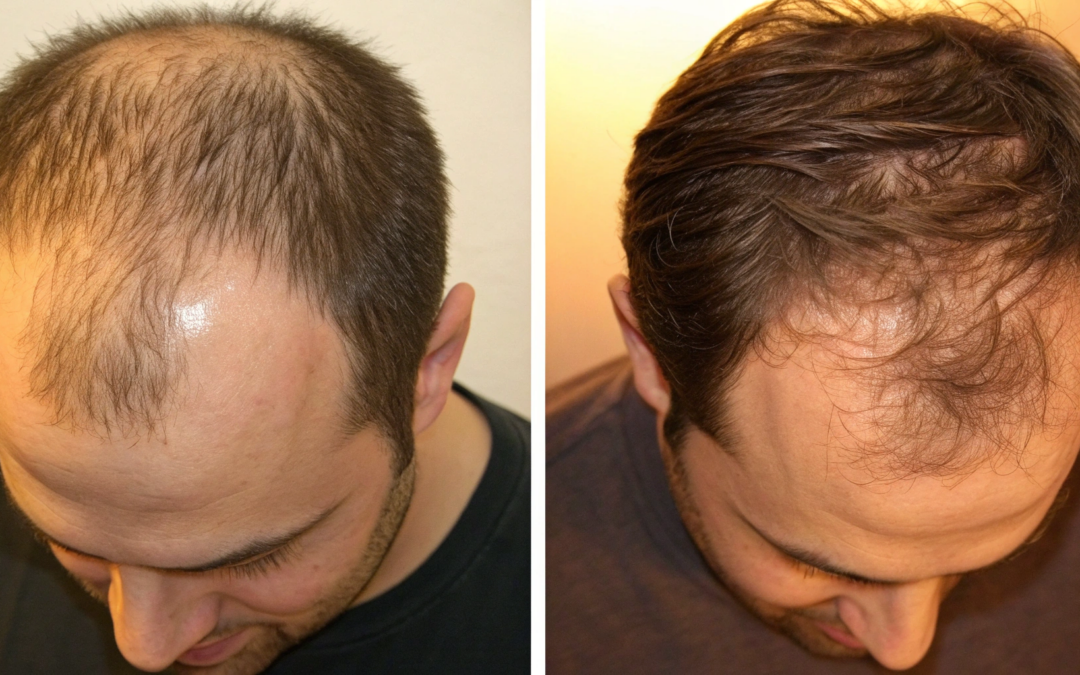
The core principle of holistic wellness is that your body has an incredible, innate capacity to heal and regenerate. PRP therapy for hair loss is a perfect example of this principle in action. Instead of introducing foreign substances, we use a concentrated dose of your own blood’s healing components to awaken dormant hair follicles. It’s a treatment that supports your body’s function from the inside out. Many people are curious about the 3 month PRP for hair loss before and after results because this is the point where that internal healing process often starts to become visible. Here, we’ll explain how this natural approach works and what you can realistically expect as your body begins to restore your hair’s density and strength.
Key Takeaways
- PRP works with your body’s natural timeline: This treatment uses your own platelets to stimulate hair follicles over a series of sessions, meaning results are gradual and build upon each other over about three months.
- Set realistic expectations for visible results: While progress begins after your first session, noticeable changes in hair density and thickness typically appear after your initial three-month treatment plan is complete.
- Your lifestyle and provider choice directly impact your outcome: You can support your results by maintaining healthy habits, managing stress, and carefully selecting an experienced practitioner who creates a personalized plan for you.
What Is PRP for Hair Loss?
If you’re looking for a way to address hair thinning that works with your body, you’ve likely come across PRP. So, what exactly is it? PRP stands for Platelet-Rich Plasma, a treatment that uses the incredible healing power found right in your own blood. It’s a straightforward and elegant concept that’s grounded in your body’s natural abilities.
The process is simple. A small amount of your blood is drawn, similar to a routine lab test. This sample is then placed in a centrifuge, a machine that spins it at high speed to separate its components. This spinning process isolates the platelets, creating a concentrated, golden plasma rich in growth factors. This platelet-rich plasma is then carefully injected into specific areas of your scalp where hair is thinning. Think of it as delivering a super-dose of your body’s own repair crew directly to the hair follicles that need support. This approach is a perfect example of holistic wellness, as it harnesses your own biological resources to encourage natural regeneration without introducing foreign substances.
How PRP Encourages Hair Growth
The real power of PRP lies in the platelets themselves. These tiny cell fragments are packed with growth factors—proteins that signal your cells to heal and generate new tissue. When injected into the scalp, these growth factors get to work on your hair follicles. They can help awaken dormant follicles, stimulate new hair growth, and extend the active growth phase of your hair cycle. The result is often improved hair density and thickness. By using your body’s own healing mechanisms, PRP therapy helps restore your hair from the inside out, which is a core principle of functional medicine.
Why Your Own Blood Is the Secret Ingredient
One of the biggest advantages of PRP is its safety. Because the treatment uses a concentrate made from your own blood, the risk of an allergic reaction or other adverse side effects is extremely low. Your body recognizes the plasma as its own, allowing the growth factors to work without triggering an immune response. PRP is an excellent choice for people who want to address hair thinning without surgery. It’s important to know that it isn’t a one-time fix; the best results come from an initial series of treatments, followed by maintenance sessions to keep your hair healthy and full. This commitment to ongoing care is a key part of any effective longevity health plan.
Your 3-Month PRP Plan: What to Expect
Committing to PRP for hair loss is an investment in yourself, and it helps to have a clear roadmap of what the next few months will look like. The process is designed to be straightforward and work with your body’s natural rhythms. Think of it not as a one-time fix, but as a dedicated period of encouraging and supporting new growth. Here’s a breakdown of the timeline, what happens during each session, and how you can prepare to get the most out of your appointments.
Your Appointment Timeline
Patience is a key part of any natural healing process, and PRP is no different. The standard plan involves three sessions, typically scheduled about four to six weeks apart. This spacing is intentional—it gives your body time to respond to the growth factors and begin the hair follicle regeneration cycle. Because the results are cumulative, you’ll likely see the most noticeable changes after your third session is complete. This three-month period allows the treatment to build upon itself, creating a foundation for healthier, fuller hair and supporting your overall holistic wellness goals.
A Look Inside a PRP Session
So, what actually happens when you come in for an appointment? The process is simple and uses your body’s own powerful healing components. First, we draw a small amount of your blood, similar to a routine lab test. That blood is then placed in a centrifuge, a machine that spins it at high speed to separate the platelet-rich plasma (PRP) from the other blood components. This golden plasma, packed with growth factors, is then carefully injected into the areas of your scalp that need it most. These growth factors act as messengers, signaling your hair follicles to strengthen, grow, and thrive.
How to Prepare for Your Appointments
A little preparation can make your PRP session go smoothly and comfortably. Since the process involves a blood draw, it’s a great idea to eat a healthy meal and drink plenty of water before you arrive to help you feel your best. On the day of your appointment, wash your hair thoroughly, but skip the styling products like hairspray or gel. Arriving with a clean, product-free scalp ensures the treatment can be as effective as possible. These simple steps are part of a proactive approach to your health, aligning perfectly with the principles of functional medicine.
Realistic Results: What 3 Months of PRP Looks Like
Let’s talk about the timeline. Platelet-Rich Plasma (PRP) therapy works with your body’s natural growth cycles, which means results don’t appear overnight. Patience is your best friend during this process. After three months of consistent sessions, you’re at a point where real, measurable changes often start to become visible. This is the exciting stage where you can begin to see the fruits of your investment in your hair’s health.
It’s important to set realistic expectations. The goal is to see meaningful improvement, but the experience is unique to each person. Your results depend on factors like your specific type of hair loss, your body’s response to the therapy, and your overall health. Think of the three-month mark as a significant milestone, not the final destination. It’s the point where you can take stock of the progress and see how your hair is responding to this regenerative approach.
Noticeable Changes in Hair Density
One of the most anticipated results of PRP is an increase in hair density. After three months, many people notice that thinning areas look fuller. This isn’t just a feeling; it’s backed by research. One study found that after three months, patients saw an average increase of nearly 46 hairs per square centimeter in the treated area. This change contributes to better scalp coverage and a healthier-looking head of hair. This focus on restoring your body’s natural function is a core part of a holistic wellness approach, allowing your body to heal and regenerate from within.
Improvements in Hair Thickness and Texture
Beyond just the number of hairs, PRP also works to improve the quality of your existing hair. Many people find that their hair shafts become thicker and stronger. This can lead to less breakage and an overall improvement in your hair’s texture and shine. Studies have shown that PRP can increase hair density by 30% to 40% while also enhancing hair shaft thickness. So, not only might you see more hair, but the hair you have may feel more resilient and look more vibrant, which is a fantastic confidence builder.
When Will You See a Difference?
The big question is always, “When will I actually see it?” For most people, the first subtle signs of progress begin to appear within two to three months of their initial session. This could be a reduction in shedding or the appearance of fine, new hairs along your hairline or part. It’s a gradual process because PRP is stimulating dormant follicles and encouraging them to re-enter the growth phase. This timeline aligns with your body’s natural hair growth cycles, making it a sustainable path to better longevity health.
How to Track Your Progress
Because the changes are gradual, tracking your progress is a great way to stay motivated. We always take “before” photos at your initial consultation for this very reason. At the three-month mark, any visible improvement in density is usually still subtle. Most people don’t see dramatic cosmetic thickening just yet—and that is completely normal. Comparing photos side-by-side is often the best way to appreciate the early changes. Keeping a simple journal to note things like reduced shedding can also help you recognize the progress your body is making.
Is PRP for Hair Safe? A Look at Risks and Side Effects
It’s completely normal to have questions about the safety of any new procedure. When it comes to PRP for hair, the good news is that it’s widely considered a safe and low-risk option. The core of the treatment relies on using your body’s own platelets to stimulate hair follicles, which is a cornerstone of holistic wellness. Because the injections contain substances that come directly from your own body, the risk of an allergic reaction or your body rejecting the treatment is extremely low.
Of course, no procedure is entirely without potential side effects. The process involves drawing blood and a series of small injections into the scalp, so there are a few things to be aware of. Understanding what to expect after your session, who makes a good candidate, and how PRP compares to other methods will help you feel confident and prepared. Let’s break down what you need to know.
What to Expect Post-Session
After your PRP session, you can typically get right back to your day. However, you might notice a few mild and temporary side effects. The most common ones include a bit of redness, slight swelling, or minor bruising around the injection sites on your scalp. Some people also feel a little tenderness or a sensation of “tightness” in the treated area.
These effects are a normal response to the injections and usually fade within a few days. Your practitioner will give you specific aftercare instructions, like avoiding harsh hair products or intense exercise for a day or two, to help your scalp heal quickly and comfortably.
Is PRP Right for Everyone?
While PRP is a powerful tool, it’s not a universal solution for every type of hair loss. It tends to deliver the best results for individuals in the earlier stages of androgenetic alopecia, more commonly known as male or female pattern baldness. The goal of PRP is to stimulate dormant or weakened hair follicles, so it’s most effective when there are still viable follicles to work with.
This is why a professional assessment is so important. A consultation will help determine the cause of your hair loss and whether you’re a good candidate. It’s also important to remember that results are unique to each person, depending on factors like your overall hormone health and genetics.
How PRP’s Safety Compares to Other Options
Compared to other hair restoration methods, PRP stands out for its safety profile. Since the procedure uses a concentrate of your own blood, you don’t have to worry about adverse reactions to foreign substances or synthetic chemicals. This natural approach minimizes risks that can be associated with some topical medications or more invasive surgical procedures.
It’s also a non-surgical procedure with minimal downtime. However, it’s important to know that most health insurance plans classify PRP for hair loss as a cosmetic procedure, so they typically don’t cover the cost. The price will depend on your specific needs and the treatment plan designed for you.
What Influences Your PRP Results?
While PRP therapy is a powerful tool for hair restoration, the results aren’t exactly the same for everyone. Think of it less like a one-size-fits-all solution and more like a personalized partnership with your body’s own healing abilities. Several key factors play a role in how your hair and scalp respond to the treatment. Your unique biology, lifestyle habits, and the stage of your hair loss all contribute to your final outcome.
Understanding these influences from the start helps you set realistic expectations and gives you the power to support your body through the process. By taking a holistic view of your health, you can create the best possible environment for your hair follicles to thrive. Let’s look at the main factors that can shape your PRP journey.
Your Age and Stage of Hair Loss
When it comes to PRP, timing can make a difference. Generally, younger individuals and those in the earlier stages of hair loss tend to see more significant results. This is because the hair follicles are often still active, just dormant or weakened. PRP works by stimulating these follicles, and it’s easier to revive a struggling follicle than one that has been inactive for a long time. Starting treatment sooner gives the platelets a better chance to work their magic on viable follicles. This doesn’t mean PRP won’t work if you’re older or have more advanced hair loss, but the timeline and extent of regrowth might look different.
The Role of Your Lifestyle and Overall Health
Your body’s ability to heal and regenerate is deeply connected to your overall well-being. Good nutrition, stable hormones, and a healthy lifestyle create the ideal foundation for PRP to be effective. Factors like chronic stress, poor sleep, and nutritional deficiencies can hinder your body’s regenerative processes. To get the most out of your sessions, it’s important to support your system from the inside out. Focusing on your gut health and ensuring balanced hormone health can significantly contribute to better results. Eating a nutrient-dense diet and managing stress are simple yet powerful ways to help your body respond positively to treatment.
Why Everyone’s Results Are Unique
Because PRP uses your own blood, your results are inherently tied to your individual biology. The concentration of platelets in your blood, your body’s natural healing capacity, and your genetic predisposition for hair loss all play a part. Beyond your personal health, the practitioner’s technique is also crucial. The skill used to prepare and inject the PRP, along with the recommended treatment schedule, can greatly influence the outcome. This is why a personalized approach is so important. Your journey is yours alone, and your results will be a unique reflection of your health, your provider’s expertise, and your commitment to the process.
PRP vs. Other Hair Loss Options
When you start looking into solutions for hair thinning, you’ll find a lot of different paths you can take. It’s smart to understand how PRP stacks up against more traditional methods. The main alternatives generally fall into two camps: surgical procedures like hair transplants and daily topical medications. Each approach has its own process, commitment level, and way of working with your body.
A hair transplant is a significant surgical step, while topical foams and serums are a daily at-home routine. PRP fits somewhere in between as a non-surgical, clinical procedure that uses your body’s own resources to encourage hair growth. Thinking about the differences in terms of invasiveness, convenience, and results can help you decide which direction feels right for you. The best choice always comes down to your specific pattern of hair loss, your health, and your long-term goals. Let’s break down how PRP compares.
PRP vs. Hair Transplants
A hair transplant is a surgical procedure where hair follicles are moved from a dense area of your scalp to a thinning one. It’s an effective but invasive option that requires recovery time. PRP, on the other hand, is non-surgical. Instead of moving hair, it works to stimulate the follicles you already have, waking them up and improving their health so they can produce thicker, stronger hair.
Interestingly, these two aren’t always mutually exclusive. Many people use PRP in combination with a hair transplant. Using PRP after surgery can help speed up healing, reduce inflammation, and activate the newly transplanted follicles for better, faster results. Think of it as creating the most fertile ground possible for the new grafts to thrive.
PRP vs. Topical Medications
You’ve probably seen topical hair loss products like Minoxidil on pharmacy shelves. These foams or serums are applied directly to the scalp, usually once or twice a day, every day. While they can be effective for some, the results depend on consistent, long-term use. If you stop, the hair loss often resumes.
PRP offers a different approach. It involves a series of in-office sessions but doesn’t require a daily application. Studies have shown that PRP can be more effective at increasing the thickness of the hair shaft. In one comparison, 87.5% of people were happy with their hair’s appearance after PRP, compared to just 37.7% after using Minoxidil. For many, PRP feels like a more direct way to address follicle health from within.
Can You Combine PRP with Other Methods?
Yes, and this is often where patients see the most significant changes. A comprehensive hair restoration plan doesn’t have to be an “either/or” situation. Combining PRP with other methods can create a powerful, multi-pronged approach to improving your hair density and health. Your practitioner might recommend using PRP alongside a topical solution or specific supplements to support growth from all angles.
This strategy aligns perfectly with a functional medicine perspective, which looks at the whole picture of your health. By pairing PRP with lifestyle adjustments and addressing any underlying issues like nutritional gaps or hormone imbalances, you create a supportive environment for your hair follicles to flourish.
The Emotional Side of Hair Restoration
Let’s be honest: hair loss isn’t just about what you see in the mirror. It’s about how you feel on the inside. The journey to restoring your hair is as much an emotional one as it is a physical one. Understanding this side of the process is key to moving forward with confidence and realistic optimism. It’s about acknowledging the feelings that come with it and finding a path forward that supports your whole self, not just your hair follicles.
Managing Your Hopes and Expectations
Deciding to try PRP is a hopeful step, especially when you’ve been carrying the “enormous emotional burden” that can come with hair loss. It’s completely normal to feel excited and anxious about your results. The most important thing is to channel that energy into realistic expectations. PRP works with your body’s natural growth cycles, which means progress is gradual. Your results won’t appear overnight, and they will be unique to you. A great provider will walk you through a personalized timeline so you know what to anticipate. This approach is a core part of holistic wellness, where understanding the process is just as important as the outcome itself.
The Real Impact of Hair Loss
It’s easy for others to dismiss hair loss as a simple cosmetic issue, but we know it runs much deeper. For many, thinning hair can feel like a signal of “fading youth and vigor, triggering self-consciousness and emotional distress.” These feelings can be powerful, affecting your sense of desirability and even your social confidence. It’s not just about hair; it’s about identity and how you present yourself to the world. Acknowledging this emotional weight is the first step. Your well-being is about more than just physical symptoms, and addressing how hair loss affects your sense of vitality and longevity health is a valid part of your journey.
Finding Confidence in the Process
While hair loss can “undermine self-esteem” and even lead to social withdrawal, taking action is incredibly empowering. Simply deciding to pursue PRP treatment can be a huge step toward regaining your confidence. Instead of passively worrying, you’re actively participating in your own well-being. The process itself helps you reclaim a sense of control. As you move through your sessions, focus on the positive steps you’re taking for yourself. This journey is about restoring more than just your hair; it’s about rebuilding your self-assurance from the inside out, a key focus for both our women’s health and men’s health clients.
What Happens After 3 Months? Maintaining Your Results
You’ve completed your initial series of PRP treatments and are starting to see those exciting new sprouts of hair. It’s a great feeling! But the journey doesn’t stop here. Think of the first three months as the jump-start for your follicles. Now, the focus shifts to keeping that momentum going. Maintaining your results is all about creating a long-term strategy that supports your hair from the inside out. It’s not just about follow-up appointments; it’s about adopting a holistic approach to hair wellness that keeps your scalp healthy and your hair thriving for years to come. This proactive mindset is key to making your investment in PRP truly last.
Your Long-Term Maintenance Plan
To keep your new hair growth looking its best, you’ll need a maintenance plan. After your initial set of sessions, we typically recommend follow-up PRP treatments to sustain the results. The exact timing can vary from person to person, but many find that a session every 3 to 6 months is effective. For others, stretching it to every 6 to 12 months works perfectly. We’ll work with you to create a personalized schedule that fits your specific needs and hair growth goals. This ongoing care helps ensure your hair follicles continue to get the support they need to stay active and healthy, making it a core part of your longevity health strategy.
Tips for Lasting Hair Health
Your PRP results are also influenced by what you do between appointments. A healthy lifestyle is your hair’s best friend. Simple things like eating a balanced diet rich in vitamins and minerals, staying hydrated, and managing stress can make a significant difference. Proper at-home hair care with gentle, nourishing products also plays a huge role. At National Wellness Group, we believe in a comprehensive approach. We can help you explore how factors like hormone health or gut balance might be impacting your hair and create a plan that addresses your unique physiology. Sometimes, combining PRP with other supportive therapies can also enhance and prolong your results, which is something we can discuss during your consultation.
Understanding the Cost of Upkeep
It’s important to plan for the financial side of maintaining your PRP results. Because PRP for hair loss is considered a cosmetic procedure, it’s usually not covered by health insurance. The cost of maintenance sessions will depend on your personalized treatment plan, including the frequency of your visits and the size of the area being addressed. Think of it as an ongoing investment in your confidence and well-being. We are always transparent about pricing and will discuss the expected costs with you upfront so you can budget accordingly. Your long-term hair health is the goal, and we want you to feel comfortable and informed every step of the way.
How to Get the Best Possible PRP Results
PRP therapy is a fantastic tool for encouraging hair regrowth, but it doesn’t work in a vacuum. Think of it as a partnership between you and your body. The procedure kickstarts the process, but your daily habits and preparation play a huge role in the final outcome. To truly get the most out of your investment, it’s helpful to adopt a comprehensive approach that supports your body’s natural healing and growth cycles. This is where a holistic wellness mindset comes in, viewing your hair health as a reflection of your overall well-being.
This means paying attention to what you do before your appointments, how you live your life day-to-day, and the way you care for your scalp afterward. Simple adjustments can make a significant difference. For example, ensuring your body is well-nourished and hydrated prepares your blood for the procedure, while managing stress can help balance hormones that contribute to hair loss. By taking these proactive steps, you create the ideal environment for your hair follicles to thrive. You’re not just a passive recipient of a procedure; you’re an active participant in your own hair restoration story. Let’s walk through exactly what you can do to support your PRP journey and achieve the best possible results.
What to Do Before Your First Session
Preparing for your PRP session is straightforward and can make your experience much more comfortable. On the day of your appointment, make sure to eat a healthy meal and drink plenty of water beforehand. This simple step helps keep your blood sugar stable and can prevent any feelings of lightheadedness during the blood draw. In the days leading up to your session, focus on hydration and try to avoid alcohol and smoking, as these can impact your circulation and the quality of your plasma. It’s also a good idea to wash your hair the morning of your appointment so your scalp is clean. Be sure to discuss any medications or supplements you’re taking with your provider during your consultation.
Lifestyle Habits That Support Hair Growth
Your daily habits are the foundation of your hair health. What you do between PRP sessions is just as important as the procedure itself. A nutrient-rich diet full of vitamins and minerals provides the building blocks your hair follicles need to grow strong. Prioritizing sleep and finding healthy ways to manage stress are also crucial, as both can impact your hormone health, a key factor in hair loss. Simple swaps, like using gentle, sulfate-free hair products and avoiding tight hairstyles that pull on the scalp, can also make a big difference. These lifestyle choices work together with your PRP sessions to create lasting, healthy hair growth from the inside out.
Caring for Your Scalp After Each Session
Aftercare for PRP is minimal, and most people are back to their usual routine by the next day. Immediately following your session, your scalp might feel a little tender or sensitive, which is completely normal. It’s best to avoid washing your hair for at least 24 hours and steer clear of harsh chemical treatments, excessive heat styling, or intense exercise for a couple of days. This gives the plasma time to work its magic. Remember that consistency is key. To maintain your results, your provider will recommend follow-up treatments every few months. Think of these sessions as essential maintenance to keep your hair looking its best long-term and support your journey toward lasting longevity health.
How to Choose the Right PRP Provider
Finding the right person to perform your PRP sessions is just as important as the treatment itself. Since PRP involves drawing your blood and injecting the concentrated plasma back into your scalp, you want to be sure you’re in capable, experienced hands. The quality of the equipment, the practitioner’s technique, and the clinic’s overall approach can all make a significant difference in your results. Think of it less like a simple beauty treatment and more like a medical procedure that requires precision and expertise.
A great provider won’t just perform the injections; they’ll act as your partner in your hair restoration journey. They should take the time to understand your specific situation, from your health history to your lifestyle, to create a plan that’s tailored to you. This is where a holistic wellness approach truly shines, as it looks at the bigger picture of your health to address the root causes of hair loss, not just the symptoms. A provider who understands this will be interested in more than just your scalp; they’ll consider factors like your diet, stress levels, and hormonal balance. Choosing a provider who is thorough, transparent, and genuinely invested in your outcome is the first and most critical step toward achieving the results you’re hoping for.
What to Look For in a Practitioner
When you’re researching practitioners, look for a qualified professional with extensive experience specifically in PRP for hair restoration. It’s crucial that the entire process is handled correctly, from how your blood is drawn and prepared to the precision of the injections. Ask about the quality of their equipment and kits, as this directly impacts how concentrated the platelets in your plasma will be. A skilled practitioner will also have a deep understanding of hair loss and can help identify underlying factors, which is a cornerstone of functional medicine. They should be able to explain the science behind the procedure in a way that makes sense to you, ensuring you feel confident and informed every step of the way.
Key Questions to Ask at Your Consultation
Your consultation is your opportunity to interview a potential provider and see if they’re the right fit. Don’t be shy about asking questions—a reputable professional will be happy to answer them. Start by asking about their experience with patients who have a similar pattern of hair loss to yours. Inquire about their specific process for preparing and injecting the PRP. It’s also a great idea to ask what kind of results you can realistically expect and on what timeline. A trustworthy provider will give you an honest assessment and help set clear, achievable goals for your treatment plan. This initial conversation is key to building a relationship based on trust and transparency.
The Importance of “Before” Photos
Before-and-after photos are one of the best tools you have for evaluating a provider and tracking your own progress. When reviewing a practitioner’s portfolio, look for high-quality images with consistent lighting, angles, and hair styling. This shows that they are meticulous and transparent about their results. Be wary of photos with dramatic lighting changes or different head positions that might exaggerate the outcome. Just as importantly, take your own “before” photos from multiple angles before you start your first session. Hair growth is gradual, and having a clear starting point will help you see the subtle but significant improvements over time, keeping you motivated throughout the process.
Frequently Asked Questions
Does the PRP procedure hurt? It’s understandable to be curious about comfort. The procedure involves a series of small injections into your scalp, so you will feel it. However, most people find it very manageable. We can apply a topical numbing cream to your scalp beforehand to minimize any discomfort. The injections themselves are quick, and any tenderness or feeling of tightness in your scalp afterward usually fades within a day or two.
How long will my PRP results last? PRP is not a permanent fix because it doesn’t change the underlying factors that contribute to hair loss. Think of the initial three sessions as the main effort to stimulate your follicles and encourage new growth. The results from this phase can last for several months, but to maintain them, you’ll need to continue with follow-up sessions. Most people find that a maintenance treatment every 3 to 12 months is enough to keep their hair looking healthy and full.
Is there any downtime after a PRP session? There is no significant downtime, and you can return to most of your daily activities right away. However, it’s wise to plan for a little social downtime. Your scalp might be slightly red or swollen for a day or so. We recommend avoiding strenuous exercise, saunas, and harsh hair products for at least 24 hours to give your scalp time to settle and heal properly.
Are there people who shouldn’t get PRP? While PRP is very safe for most people, it isn’t the right choice for everyone. It’s generally not recommended for individuals with certain blood or bleeding disorders, active infections on the scalp, or those taking specific blood-thinning medications. This is why a thorough consultation is so important. We will go over your complete health history to make sure you are a great candidate for the procedure.
Why do I need multiple PRP sessions? Hair growth happens in cycles, and one PRP session isn’t enough to make a lasting impact. The first treatment sends the initial signal to wake up your dormant hair follicles. The following sessions, spaced about a month apart, build on that signal, providing the consistent stimulation your follicles need to strengthen and produce thicker, healthier hair. This cumulative effect is what leads to noticeable and sustainable results.